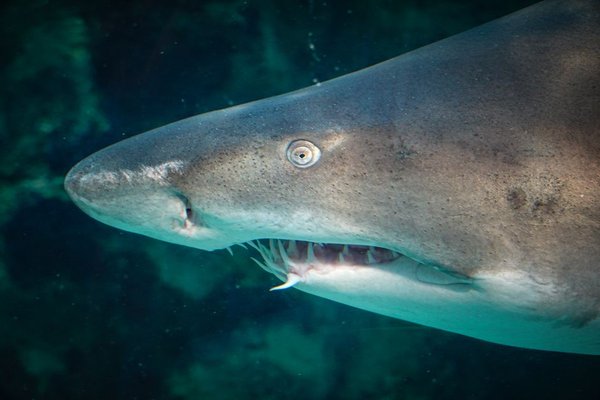
Are sharks dangerous to humans? They can be, but the danger is far smaller than headlines suggest. A shark is a powerful wild animal capable of serious injury. Yet most species pose little threat to people, and shark bites are rare compared with the enormous number of visits to beaches worldwide.
The useful question is not whether sharks are completely harmless. They are not. It is when an encounter becomes more likely, why sharks bite, and how people can enjoy the ocean without treating every fin as a threat.
How Often Do Sharks Bite Humans?
The Florida Museum of Natural History’s International Shark Attack File confirmed 65 unprovoked shark bites worldwide in 2025, including nine fatalities. It also recorded 29 provoked bites, involving situations such as touching, feeding, or handling sharks. These are investigated cases, not a claim that every incident worldwide is reported.
An unprovoked bite occurs when a shark bites someone in its natural habitat without the person initiating the interaction. That distinction matters: handling a hooked shark is not the same situation as swimming at a beach.
Nor can annual totals reveal any individual’s exact shark attack risk. Exposure varies by location, season, activity, and water conditions. There is no reliable global count of every hour people spend swimming. Still, the relatively small number of confirmed incidents puts the danger into perspective without minimizing the severity of an individual bite.
Why Sharks Bite People
Humans are not part of sharks’ normal diets, according to NOAA. Many sharks eat fish and invertebrates; some larger species also hunt marine mammals. Their powerful teeth and senses evolved for finding natural prey, not pursuing beachgoers.
Curiosity and Mistaken Identity
Sharks navigate through sight, smell, vibration detection, and electrical sensing. A shark approaching a swimmer may be investigating something unfamiliar rather than preparing to attack. Poor visibility and movement resembling prey can contribute to some encounters.
But not every bite can confidently be labeled a mistake. Species and circumstances differ, and scientists cannot always determine an individual shark’s motivation. Even a brief investigative bite from a large shark can cause catastrophic harm.
Feeding Activity Creates Encounters
Schools of fish close to shore attract predators. Fishing bait, hooked fish, and speared catches can also bring sharks near people. A diver holding a struggling fish faces different conditions from a swimmer away from feeding activity. Understanding shark behavior means looking at the entire scene, not imagining a shark deliberately hunting humans.
Which Sharks Are Most Dangerous?
Shark species differ dramatically in size, diet, and habitat. Great white, tiger, and bull sharks are among those associated with serious unprovoked incidents. Their strength warrants respect wherever their habitats overlap with recreational waters.
Still, size alone does not predict danger. The enormous whale shark filters plankton and small animals rather than hunting large prey. Many smaller shark species rarely interact with humans. Learning about common shark species and their habitats provides a more accurate picture than treating all sharks alike.
When Does Encounter Risk Increase?
Murky Water and Feeding Zones
Poor visibility makes identifying nearby animals harder for both swimmers and sharks. Dawn, dusk, and nighttime can coincide with feeding activity for some species. Baitfish, diving seabirds, or people fishing nearby are signals to choose another place to swim.
Coastal Features and Water Activities
Sandbar edges, channels, and steep drop-offs sometimes concentrate marine life. Surfing, wading, snorkeling, and diving involve different types of exposure. In the 2025 International Shark Attack File figures, swimming and wading made up the largest share of unprovoked incidents, followed by surfing and board sports. Those shares describe recorded bites, not the probability of a bite during each activity.
Local warnings matter more than generalized claims about dangerous oceans. A temporary beach closure may reflect a specific sighting or feeding event. Conversely, calm, clear water does not guarantee sharks are absent.
Shark Safety Facts You Can Actually Use
Picture arriving at a beach where anglers are casting beside a churning school of fish and seabirds repeatedly dive into the water. Even without seeing a shark, shifting to a lifeguarded swimming area away from the feeding activity is a practical way to reduce risk.
Swim with a companion and stay reasonably close to shore, where help is more accessible. Observe posted warnings, wildlife alerts, and instructions from lifeguards. Avoid areas with bait, active fishing, or visibly feeding predators.
Consider postponing a swim when the water is exceptionally murky or it is getting dark. Avoid shiny jewelry that can reflect light like fish scales, and do not splash frantically in one spot. Never attempt to feed, touch, or corner a shark.
These precautions reduce exposure but cannot eliminate risk. They belong alongside an ocean swimming safety checklist that includes currents, surf, weather, and emergency access. Other ocean hazards deserve attention even when no sharks are visible.
What If You See a Shark in the Water?
Stay as calm as possible, face the shark, and keep it in view. Move deliberately toward shore or a boat when safe. Do not chase it, reach toward it, or approach for a photograph. Once out, alert a lifeguard or local beach authority.
If physical contact becomes an attack, defend yourself actively. The eyes and gills are sensitive areas to target while escaping. Any shark bite requires prompt medical attention, even if the injury initially looks limited.
Sharks Deserve Respect, Not a Villain’s Reputation
Sharks play important roles in marine food webs, and human fishing pressure threatens some populations. Dramatic bite stories can obscure both their ecological value and how infrequently people are harmed. Exploring shark senses and feeding behavior helps replace exaggerated fear with a more useful understanding of these predators.
Frequently Asked Questions
Do sharks intentionally hunt humans?
Humans are not normal prey for most sharks. Some bites involve investigation or confusion, but the cause of an individual encounter is not always known.
Is it safe to swim where sharks live?
Generally, swimming remains a low-risk activity when conditions are suitable and local warnings are followed. No open-water location can promise zero risk.
Are sharks attracted to human blood?
Sharks detect chemical signals, but there is no good evidence that human blood makes them seek out people as preferred prey. Avoiding the water with an actively bleeding wound is still sensible.
What should you do after a shark sighting?
Keep the animal in view, avoid interacting with it, and leave the water calmly if possible. Inform lifeguards so other beachgoers receive appropriate advice.
The Risk in Perspective
Sharks can seriously injure humans, but bites remain uncommon. The best response is neither panic nor complacency: pay attention to visibility, feeding activity, official warnings, and access to help. With accurate information and sensible precautions, it is possible to respect sharks while enjoying the sea.