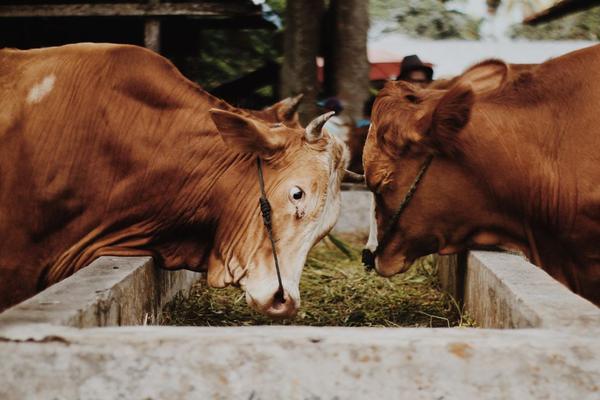
A sound cattle feeding guide starts with a question that feed labels cannot answer: what does this group of cattle need right now? A dry beef cow, a fast-growing steer and a freshly calved dairy cow may all eat grass or hay, but their requirements for energy, protein and minerals differ. Building a ration means matching available feed to changing needs, not buying supplements by habit.
Start with the cattle, not the feed bin
Cattle need energy for maintenance and activity, protein for growth and rumen microbes, minerals and vitamins for normal function, and sufficient water. Their requirements depend on body weight, age, breed, weather and production stage.
Why production stage changes the ration
Mature dry cows on good pasture may maintain condition with modest supplementation. Late-pregnant cows need extra attention as fetal growth accelerates; lactating cows generally have greater energy and protein demands. Growing calves and finishing cattle need diets supporting a planned rate of gain. Replacement heifers must grow without becoming excessively fat.
A single beef cattle ration should not automatically be fed to every pen. Group animals by age and production stage where possible, and seek nutrition advice for high-output or intensive feeding systems.
Make forage the foundation
Pasture, hay, haylage and silage are common cattle forage sources. Their fiber supports rumen function, while digestible nutrients supply much of the required energy and protein. Yet two similar-looking bales may feed differently. Plant maturity, species, harvest weather and storage losses affect quality.
Quantity matters too. Good pasture cannot support cattle if too little grass remains. Mature, stemmy hay may fill the rumen before cattle obtain enough nutrients. Watch grazing availability, feed refusals and wastage rather than assuming everything offered is consumed.
Test forage before choosing supplements
A laboratory forage analysis provides a firmer starting point than appearance. Useful measures include dry matter, crude protein, fiber and digestible energy, commonly estimated as total digestible nutrients (TDN). Mineral results can reveal other gaps. For drought-stressed or heavily fertilized crops, ask whether nitrate testing is needed before feeding.
Dry matter matters because water adds weight but no nutrients. For example, 10 kilograms of hay at 85% dry matter supplies 8.5 kilograms of feed dry matter. Comparing feeds on this basis prevents wet silage from appearing more nutritious simply because of its as-fed weight.
Choose supplements to correct a real shortage
Supplementation should address an identified need. More concentrate is not automatically better: it can displace forage, increase costs and upset rumen fermentation if introduced abruptly.
Protein: support the rumen first
Low-protein, mature forage can restrict the microbes that digest fiber. A suitable protein supplement may then improve forage use. Options include protein-rich meals or good-quality legume hay, depending on availability and the whole ration. Calculate the amount against forage intake and animal requirements; a high-protein label is not a feeding recommendation.
Energy: fill the remaining gap
If protein is adequate but forage cannot meet energy needs, grain, digestible fiber feeds or better-quality forage may help. Sudden increases in starch-rich grain raise the risk of acidosis. Introduce changes gradually and retain adequate effective fiber. Young or fast-growing cattle often require closer formulation than maintenance cows.
Water, minerals and vitamins belong in the plan
Clean, accessible drinking water is essential daily. Intake increases with heat, lactation, feed dryness and salt consumption. Check trough flow and cleanliness, not merely whether water is present. Mud, ice or crowding may limit access.
Cattle require appropriate amounts of calcium, phosphorus, magnesium, sodium and trace minerals, including copper, zinc and selenium. Local soil, forage and water influence potential shortages or excesses. Select a mineral program for the herd and region, and check consumption against label directions. Extra minerals can cause imbalances or toxicity. Vitamin needs vary with access to green forage, stored feeds and animal condition.
A practical way to build a starting ration
Imagine pregnant beef cows moving from good autumn pasture onto stored hay. Rather than automatically adding a scoop of grain per cow, begin with their body weights, likely feed intake and stage of pregnancy. Send a representative hay sample to a laboratory, then compare its results with a recognised cattle nutrient-requirement reference.
Estimate how many kilograms of dry matter each cow will consume. Check whether the hay provides enough protein and energy at that intake. If protein is deficient, consider a suitable protein source before assuming grain will solve the problem. Calculate any remaining energy shortfall, review minerals and water, and refine the ration with a qualified adviser.
Feed consistently, provide adequate bunk space and make dietary changes gradually. Reassess when the cows calve, the hay batch changes or weather turns sharply colder. Last month’s ration might not fit today’s herd.
Check the numbers against the animals
Even a calculated ration needs field checks. Track body condition score, liveweight trends where practical, appetite, manure consistency, growth or milk output, and uneven feed access. Gradual body-condition changes may reveal a problem before it becomes severe.
Record which forage batch was fed, supplement changes and animal responses. If cattle lose condition, investigate feed quality, illness, parasites and competition before blindly increasing concentrates. Further reading on cattle body condition scoring, forage testing for livestock and cattle mineral requirements can help guide assessment.
Frequently asked questions
How much forage should cattle eat each day?
There is no universal amount. Intake depends on weight, forage quality and production stage. Evaluate it as dry matter, not just kilograms of wet feed. A nutrition adviser can combine a feed test with expected intake to estimate needs.
Do cattle need grain if they have good pasture?
Not necessarily. Quality pasture can meet the needs of some classes, especially animals at maintenance. Grain or another supplement may help when forage cannot support desired growth, pregnancy or milk production, but it should serve a defined purpose.
Can I use the same mineral mix for every herd?
Not as a general rule. Mineral needs and local forage composition vary, and some elements are harmful in excess. Choose a cattle-specific product matched to the feeds and region, ideally with professional guidance.
How often should a cattle ration be reviewed?
Reassess when forage lots, grazing conditions, body condition or production stage change. Routine monitoring between those events helps catch slow performance declines that a one-time calculation may miss.
Build flexibility into the feeding plan
Good cattle nutrition is not a fixed recipe. Start with suitable forage, measure its nutrients, identify each group’s needs and add supplements only where they correct a gap. Pair that process with dependable water, balanced minerals and regular body-condition checks. A simple ration that is tested and adjusted is more useful than a complicated one never revisited.