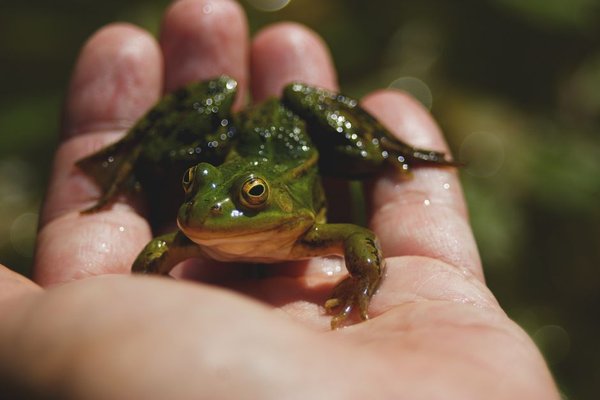
A Pacman frog can spend an entire afternoon looking like a mossy lump with eyes. That is normal, not a sign of boredom. These round South American horned frogs are ambush hunters: they bury themselves, wait quietly, then spring forward when prey approaches. Successful Pacman frog care means getting its environment right.
Warmth, moist soil, safe water and sensible feeding all work together. A frog that cannot burrow comfortably may struggle to feel secure, while a constantly soaked enclosure can cause problems just as readily as a dry one.
Build a Habitat Around Floor Space, Not Height
A Pacman frog habitat should be wider than it is tall, with a secure, ventilated lid. A 10-gallon enclosure may suit a youngster, but a 20-gallon-long setup or a similarly spacious footprint gives many adults more useful room. Larger females especially benefit from extra floor space. Keep only one frog per enclosure: Pacman frogs are solitary and may attack or eat tankmates.
Arrange a shallow water dish, a low hide and some plant cover without filling every patch of soil. The frog needs room to choose a burrowing spot and move between warmer and cooler areas. Avoid sharp decorations and unstable rocks that could shift when the animal digs.
Choose Deep, Diggable Pacman Frog Substrate
The substrate is not simply bedding. It is part of the frog’s daily shelter and helps maintain moisture around its delicate skin. Give adults approximately 3–4 inches (8–10 cm) of soft, moisture-retentive material; smaller frogs still need enough depth to bury themselves.
Coconut fibre or a suitable pesticide-free soil mix works well when kept evenly damp. Remove hard clumps before use. Avoid gravel, wood chips and coarse particles that can scratch skin or be swallowed during feeding. Loose moss can also be swallowed accidentally, so it should not become a feeding surface.
Manage Temperature Without Overheating a Burrowing Frog
A practical daytime target is around 75–82°F (24–28°C), with a gentle nighttime drop to roughly 70–75°F (21–24°C). Exact needs vary slightly by species, age and enclosure design. Position digital thermometers at both ends rather than trusting the room thermostat.
Any supplemental heater should be controlled by a thermostat. Side-mounted or carefully positioned overhead heating is preferable to placing a hot mat directly beneath the burrowing zone: a frog may dig deeper to escape heat and encounter an even hotter surface. Avoid harsh lighting that dries exposed soil, and maintain a regular day-night cycle. Appropriate low-level UVB may be beneficial, but it must be installed correctly and considered alongside vitamin D3 supplementation.
Keep Pacman Frog Humidity Stable, Not Saturated
Most care guidance places Pacman frog humidity around 60–80%. Check it with a digital hygrometer, but also examine the soil. The air can briefly read humid while the substrate underneath has become too dry; conversely, constant wetness encourages bacteria and mould.
Mist with dechlorinated water when needed and check moisture below the surface. Ventilation matters, too. If the glass stays heavily fogged and the soil never dries slightly at the top, the enclosure may be holding too much water.
For the first week, check humidity morning and evening and gently test an unoccupied corner of soil. It should feel damp and yielding, never swampy. This reveals whether misting needs adjusting.
Provide Safe Drinking and Soaking Water
Pacman frogs absorb water through their skin, so untreated tap water containing chlorine or chloramine is unsuitable. Use water treated with an amphibian-safe conditioner or another reliably suitable water source. Keep a broad, shallow dish available at all times. Its sides should be low enough for the frog to enter and leave without struggling.
Change the water daily and immediately if the frog soils it. Wash the bowl thoroughly, rinse away any cleaning residues and refill it with correctly treated water. Never use soap directly on the frog.
Plan a Varied Pacman Frog Diet
The Pacman frog diet should centre on appropriately sized invertebrates, including earthworms, gut-loaded crickets and suitable roaches. Rotate feeders rather than relying on one insect. Use calcium and amphibian-appropriate vitamin supplements according to veterinary advice, taking the frog’s age, diet and UVB setup into account.
Growing juveniles generally eat more often, sometimes daily or every other day. Healthy adults commonly eat every four to seven days, adjusted for body condition and veterinary guidance. These frogs can become overweight despite spending much of their time motionless. Avoid making rodents a regular staple.
Offer prey no wider than the space between the frog’s eyes as a conservative starting point. Blunt feeding tongs or a clear feeding area can reduce accidental substrate ingestion. Never leave uneaten live crickets roaming with a resting frog, as they may cause injuries.
Understand Burrowing and Changes in Behaviour
Burrowing is an instinct, not something to discourage. A comfortable frog may disappear under the soil with just its eyes showing, especially during daylight. Rather than digging it up repeatedly, observe whether it emerges to feed and whether its body condition remains steady.
But context matters. A frog that suddenly buries itself much deeper, stops feeding or appears unusually inactive may be reacting to incorrect temperature, moisture or another health problem. A protective dry-weather skin layer can develop under adverse conditions; it should not be treated as routine behaviour to encourage in a pet. Check the environment and contact an amphibian-experienced veterinarian if concerning changes persist.
Cleaning and Handling Without Unnecessary Stress
Remove droppings, leftover food and visibly soiled substrate promptly. Replace fouled bedding and periodically refresh the substrate more thoroughly according to how quickly waste accumulates. Wash enclosure furnishings using amphibian-safe methods, rinse thoroughly and allow them to be safe before returning them.
Pacman frogs are observation pets, not cuddling companions. Their skin is permeable, and handling can transfer oils, salts or chemical residues. Move them only when necessary, using clean, moistened, powder-free gloves or another veterinarian-recommended method. Wash hands after enclosure care. Reddened skin, abnormal bloating, difficulty moving or repeated refusal to eat warrant veterinary attention.
Frequently Asked Questions
How often should I mist a Pacman frog enclosure?
Mist as needed to keep the soil damp and humidity generally near 60–80%. Some enclosures need daily misting; others retain moisture longer. Measure humidity and inspect the substrate rather than following a fixed spray count.
Why does my Pacman frog stay buried all day?
These frogs naturally hide and wait for prey, often becoming more active in the evening. If it feeds normally and conditions are correct, daytime burrowing is usually expected.
Can two Pacman frogs live together?
No. They are solitary, territorial predators and may injure or consume one another. House each frog separately.
What is the best substrate for a Pacman frog?
Soft coconut fibre or a safe, moisture-retentive soil mix is a reliable choice. Aim for around 3–4 inches of depth for an adult and keep it damp without making it waterlogged.
A Simple Routine Makes the Difference
Good care is built on consistent small checks: confirm temperatures, feel the soil, refresh the water and watch for changes in feeding or behaviour. Give your Pacman frog a deep, humid place to burrow and enough privacy to behave naturally. The reward is seeing a specialised little ambush predator thrive on its own terms.