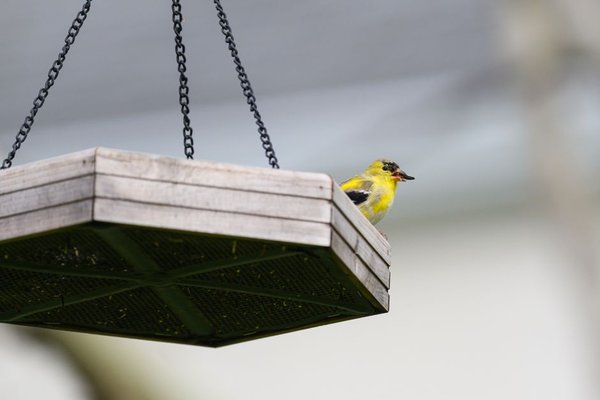
The best bird feeder placement does more than give you a clear view of visiting cardinals, finches, chickadees, and other backyard birds. A well-chosen spot can also reduce window-collision risk, give birds a quick escape route, make the feeder easier to maintain, and keep spilled seed from becoming a nuisance. The goal is a location that works for both birds and people, rather than simply the prettiest empty hook in the yard.
Start With the View, Then Check the Safety
When deciding where to place bird feeder stations, begin with the place you are most likely to watch from: a kitchen window, breakfast table, home office, or patio. A feeder you can see regularly is easier to enjoy and easier to monitor for empty seed, wet food, sick birds, or unwanted visitors.
Then look at the location from a bird’s perspective. Check for reflective glass, hiding places for cats, and exposure to strong wind or rain. Good feeder location balances visibility, shelter, and safe flight paths.
Pay Special Attention to Windows
Windows are one of the most important factors in bird feeder safety. Birds can mistake reflections of sky and vegetation for open space, especially when they are startled away from a feeder. Guidance from major bird-conservation organizations commonly recommends placing feeders very close to a window, generally within about 3 feet, or much farther away, around 30 feet or more.
The close option may sound surprising, but a bird leaving a nearby feeder has less room to build speed before a collision. At greater distances, birds have more room to recognize and avoid the building. The middle zone can be more hazardous because birds may accelerate toward reflective glass.
If your favorite viewing window sits in that middle range, consider moving the feeder or making the outside of the glass more visible to birds. Exterior screens and closely spaced visible markings can help birds recognize that the glass is a barrier.
Give Birds Nearby Cover Without Creating an Ambush Point
Backyard birds appreciate nearby shrubs or trees because cover gives them a place to rest and retreat when a hawk or other threat appears. A completely exposed feeder may feel less secure, especially for smaller species.
However, placing a feeder deep inside dense shrubbery can create a different problem. Cats and other predators may use thick cover close to the feeding area as concealment. A practical compromise is to provide useful shelter nearby while keeping the immediate area around and below the feeder open enough to see clearly.
For example, if a backyard bird feeder hangs beside a shrub that touches the pole, move it several feet into a more open patch. The shrub can still serve as escape cover while the clearer space makes it harder for a ground predator to approach unseen.
Choose a Spot That Stays Reasonably Dry and Calm
Seed lasts better when the feeder is not constantly exposed to driving rain. Wet seed can clump, spoil, and become less appealing to birds. A calmer location can also reduce seed blowing onto the ground and make lightweight hanging feeders less likely to swing wildly.
Look for ordinary protection from prevailing wind and heavy weather, such as a sheltered side of the yard or a spot near established vegetation. Hummingbird feeders especially benefit from shade because sugar solution can deteriorate more quickly in warm, direct sun.
Make Cleaning Part of the Placement Decision
A feeder can be well positioned for birds and still be impractical if it is difficult to reach. Easy access matters because old food, droppings, and accumulated debris need regular removal.
Choose a place where you can comfortably take the feeder down, refill it, and inspect the ground beneath it. Spilled seed and hulls can accumulate quickly, so an area that can be swept or raked makes cleanup easier and helps discourage rodents.
Think About Squirrels Before You Hang the Feeder
If squirrels are common in your yard, placement can save frustration. Branches, fences, roofs, and railings can become launch points. A pole-mounted feeder in an open area is usually easier to protect with a baffle than one placed within jumping distance of structures.
This is another reason not to judge a site by appearance alone. A picturesque branch beside the deck may put the feeder within easy reach of squirrels, while a simple pole a little farther away may create a much more manageable feeding station.
Match the Location to the Feeder Style
Different feeder designs create different traffic patterns. Tube feeders work well with open approach space. Platform feeders may produce more fallen seed, so the ground below needs extra attention. Suet feeders can sit near trunks or branches that provide natural staging points without being buried in dense cover.
If you operate several feeders, avoid crowding every food type into one tiny spot. A little separation can reduce congestion and make maintenance easier. It also lets you adjust one feeder location without disturbing the entire setup.
Test the Location Before Making It Permanent
You do not have to get bird feeder placement perfect on the first try. Try a proposed spot for a week or two and watch how birds approach, whether squirrels gain access, whether seed stays dry, and whether cleaning is convenient.
If birds rarely visit, check whether the site is too exposed. If seed repeatedly gets wet, move the feeder to a calmer position. If birds fly toward a window after being startled, address the glass hazard immediately. A move of only a few feet can sometimes solve the problem.
Frequently Asked Questions
Where is the safest place to put a bird feeder near a window?
A commonly recommended approach is to place the feeder within about 3 feet of the window or roughly 30 feet or more away. If the feeder must sit between those distances, make the glass more visible to birds with effective exterior collision-prevention measures.
Should a bird feeder be in the sun or shade?
Either can work for seed feeders, but some protection from intense sun, wind, and rain can keep food in better condition. Hummingbird feeders benefit particularly from shade because warm sugar solution can spoil more quickly.
How close should a feeder be to shrubs or trees?
Nearby vegetation can provide valuable escape cover, but the feeder should not be tucked so tightly into dense growth that predators can hide immediately beside it. Keep the feeding area visible while preserving nearby places for birds to retreat.
What should I do if birds are not using a new feeder?
Give them time to discover it, then assess the location. A feeder may be too exposed, too close to regular human activity, difficult to approach, or positioned where food becomes wet. Small changes in placement can make a noticeable difference.
A Better Feeder Spot Is Usually a Better Feeding Experience
The most successful feeder location is one you can watch easily, clean regularly, and adjust when conditions change. Give window safety serious attention, provide nearby but not overly dense cover, and account for weather and squirrels. When those pieces come together, birds gain a safer feeding spot and you gain a better view.