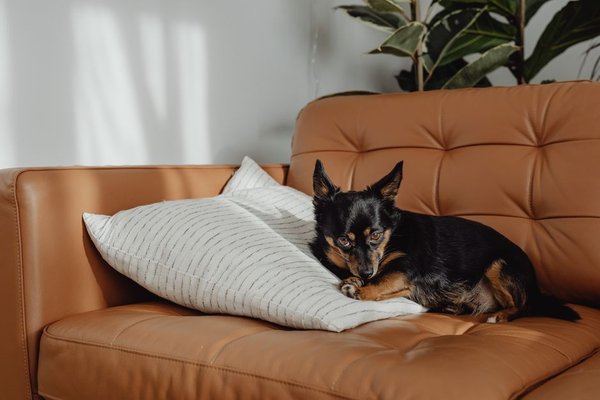
Apartment pet shopping is less about finding an animal that never makes a sound and more about understanding where the noise comes from. A hamster may be nearly silent vocally but run on a wheel at midnight. A rabbit may barely vocalize yet thump, dig, or chew. For renters, the best choice is usually the pet whose natural activity fits your schedule, floor plan, and tolerance for enclosure noise.
There is no dependable, standardized decibel ranking for common small pets, so it is more useful to compare vocal noise, nighttime activity, odor control, and space needs. The following seven options are among the more apartment-friendly choices when housed correctly and given proper care.
What makes a small pet apartment-friendly?
Thin walls can turn a rattling wheel, cage-bar chewing, digging, or repeated jumping into a bigger issue than squeaks. Odor matters too, because poor ventilation or infrequent spot-cleaning can affect a compact home quickly.
Picture the enclosure in your actual apartment. If your bed is close to the only suitable cage location, a nocturnal species may feel much louder than it would in a separate living room. If your lease or layout limits floor space, a rabbit may be unrealistic even though rabbits are generally quiet animals.
7 quietest small pets for apartment living
1. Chinchilla
Chinchillas are naturally quiet and have very little body odor. They can suit apartments well when vocal noise is the main concern, but they are active around dusk and dawn and may jump between cage levels or chew during those hours. They also need a tall, spacious setup, regular dust baths, cool indoor temperatures, and companionship from another chinchilla.
2. Rabbit
Rabbits are among the lowest-noise pets in terms of vocalization. Their apartment noise usually comes from thumping, digging, chewing, tossing toys, or racing around. They also need far more room than many first-time owners expect and should normally live with a compatible rabbit companion. They can be excellent low noise pets, but only where floor space is genuinely available.
3. Gerbil
Gerbils make little vocal noise that humans notice, and their dry-desert biology means their enclosures can be comparatively low-odor when maintained properly. The trade-off is digging. Healthy gerbils need deep bedding and spend considerable time tunneling, scratching, and chewing. They are social animals and should not be kept alone. A deep tank-style gerbilarium on a stable stand can also reduce rattling and contain bedding.
4. Hamster
Hamsters are quiet vocally, compact, and popular with apartment dwellers, but their nighttime schedule matters. They are naturally active after dark and need a correctly sized solid-surface exercise wheel, deep bedding, and room to forage and burrow. A cheap wheel can turn an otherwise quiet hamster into a nightly squeak-and-rattle machine. If the habitat must stay in your bedroom, use a sturdy wheel and keep the enclosure slightly away from the wall.
5. Mouse
Pet mice are small and usually do not create much audible vocal noise, but they are highly active, especially during the evening and night. Climbing, wheel running, burrowing, and chewing can create a steady background rustle. Odor control depends on appropriate bedding, ventilation, spot-cleaning, and avoiding an overcrowded enclosure. Mice also have important social needs and should be housed in compatible groups.
6. Rat
Rats are intelligent, social, and often quieter than people expect. Most everyday sound comes from cage activity rather than loud calls: climbing, chewing, moving toys, and nighttime exploration. Because rats are nocturnal and need same-species company, their enclosure should be large and enriched. They are a good choice for renters who want an interactive pet, provided nighttime activity will not disturb sleep.
7. Guinea pig
Guinea pigs belong on this list with an important warning: they are more vocal than the other animals here. They may wheek, squeal, rumble, or chatter, especially around feeding time. The sounds are usually brief rather than constant, but a noise-sensitive renter should hear guinea pigs in person before adopting. They are social animals and need companionship plus generous floor space, so they are not always ideal for the smallest apartments.
How to reduce small pet noise without compromising welfare
The best noise control comes from choosing better equipment, not restricting natural behavior. Never remove a needed wheel, hide, chew item, companion, or exercise opportunity just to make an enclosure quieter. Instead, place the habitat on a solid, level surface, keep it slightly away from shared walls, tighten loose fittings, and replace rattling accessories with sturdier alternatives.
Match your sleeping schedule to the species as well. Hamsters, mice, and rats can be active when you are trying to sleep, while rabbits and chinchillas may become especially active around dawn and dusk. A separate living area can make a bigger difference to perceived small pet noise level than switching between two similarly quiet species.
FAQ
What is the quietest small pet for a studio apartment?
A chinchilla or rabbit can be very quiet vocally, but both need more space than their body size suggests. For a genuinely small studio, a well-housed hamster or pair of gerbils may be more practical, provided nighttime activity will not disturb you.
Which small pets have the least odor?
Gerbils and chinchillas are often relatively low-odor when their habitats are maintained correctly. No pet enclosure is odor-free, and ventilation, bedding, group size, diet, and cleaning routine all affect smell.
Are hamsters quieter than guinea pigs?
Vocally, usually yes. Guinea pigs communicate with a wider range of easily heard sounds, while hamster noise is more likely to come from a wheel, digging, or chewing at night.
Can I keep a quiet small pet alone?
That depends on the species. Syrian hamsters are generally solitary, while rats, gerbils, rabbits, guinea pigs, mice, and chinchillas have important same-species social needs. Choose companionship based on the species rather than apartment size or convenience.
Choosing the right quiet companion
The best apartment friendly pets are not simply the animals with the softest voices. A renter should consider when the animal is active, how much space it needs, whether it requires a companion, and what sounds its normal enrichment will create. If silence at night is your highest priority, avoid placing nocturnal rodents in the bedroom. If space is tight, do not choose rabbits just because they rarely vocalize.
Choose the species whose normal behavior fits your home, then design the enclosure around that behavior. A well-matched pet with enough space, enrichment, social contact, and quiet equipment is far more likely to coexist comfortably with both you and your neighbors.