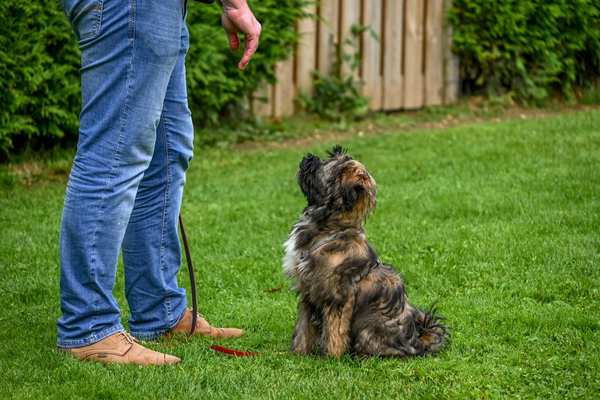
Every dog owner remembers the moment they realized their pup needed some structure — maybe it was a leash pulled out of your hand, or a “come here” that was completely ignored at the park. The good news is that dog obedience training doesn’t require years of experience or a professional trainer on speed dial. A handful of foundational commands, taught consistently, can transform an unruly puppy into a confident, well-mannered companion. This guide walks you through the seven essential commands every dog should master, along with simple, step-by-step instructions you can start using today.
Why Basic Obedience Commands Matter
Obedience training isn’t just about teaching tricks — it’s about safety, communication, and building trust between you and your dog. A dog that reliably responds to sit, stay, and come is far less likely to bolt into traffic, jump on guests, or get into dangerous situations. These commands also form the backbone of more advanced training later on, whether that’s agility, therapy work, or simply a calmer walk around the block. Think of this list as your training foundation — get these right, and everything else becomes easier.
1. Sit
Sit is usually the first command dogs learn, and for good reason: it’s simple, easy to reward, and useful in almost every situation, from mealtime to visitors at the door.
How to Teach It
Hold a treat close to your dog’s nose, then slowly move your hand upward. As their head follows the treat, their bottom will naturally lower to the ground. The moment they sit, say “sit,” praise them, and give the treat. Repeat this five to ten times per session, several times a day, until they respond to the word alone.
2. Stay
Stay teaches impulse control, which is one of the harder skills for dogs to master. It’s especially useful when you need your dog to remain calm — at the vet, near an open door, or around small children.
How to Teach It
Ask your dog to sit, then open your palm in front of them and say “stay.” Take one step back. If they remain in place, reward them immediately. Gradually increase the distance and duration over several sessions. Patience is key here — rushing this command often leads to setbacks.
3. Come (Recall)
Recall training might be the single most important command for your dog’s safety. A reliable recall means you can call your dog back to you even in distracting or potentially dangerous environments.
How to Teach It
Start in a low-distraction area like your living room. Crouch down, say “come” in an upbeat tone, and reward enthusiastically when your dog reaches you. Never call your dog to come for something unpleasant, like nail trimming — this can make them hesitant to respond in the future. Once your dog masters recall indoors, practice in the yard, then in more distracting outdoor spaces using a long training leash for safety.
4. Down
The down command asks your dog to lie flat, which is a more submissive and relaxed position than sitting. It’s particularly helpful for calming an excitable dog or having them settle during longer waits.
How to Teach It
From a sitting position, hold a treat at your dog’s nose and lower it slowly to the floor, then slide it away from them along the ground. Their body should follow, ending in a lying position. Say “down” as they complete the movement, then reward. Some dogs find this command physically uncomfortable at first, so keep sessions short and positive.
5. Leave It
This command prevents your dog from picking up or engaging with something dangerous or undesirable, whether it’s a dropped medication, spoiled food, or another animal’s mess.
How to Teach It
Place a treat in your closed fist and let your dog sniff and lick at it. Say “leave it.” The moment they stop trying and pull away, even briefly, reward them with a different treat from your other hand. This teaches them that ignoring the tempting object leads to a better reward elsewhere.
6. Heel
Heel keeps your dog walking calmly beside you rather than pulling ahead or lagging behind, making walks far more enjoyable for both of you.
How to Teach It
Keep your dog on a short leash and hold a treat at your side, roughly level with their nose. Walk forward, saying “heel,” and reward them for staying in position beside you. If they pull ahead, stop walking until they return to your side. Consistency matters more than speed with this one — most dogs need several weeks of regular practice.
7. Off
Off teaches your dog not to jump on people, furniture, or counters. It’s different from “down,” which asks them to lie flat — off simply means “four paws on the floor” or “get away from that.”
How to Teach It
When your dog jumps up, turn away and ignore them completely rather than pushing them off, which some dogs interpret as play. The instant all four paws touch the ground, say “off,” praise, and reward. Consistency from everyone in the household is essential, since mixed signals will slow progress considerably.
Tips for Successful Obedience Training
Keep training sessions short — five to ten minutes is plenty for most dogs, especially puppies with shorter attention spans. Always end on a positive note, and use high-value treats for trickier commands like recall. Consistency across the whole household matters too; if one family member allows jumping while another discourages it, your dog will struggle to understand what’s expected. Above all, patience pays off. Some dogs pick up sit stay come within days, while others need weeks of steady repetition.
Frequently Asked Questions
What age should I start obedience training?
You can begin basic obedience training as early as eight weeks old. Puppies have shorter attention spans, so keep early sessions brief and rely heavily on positive reinforcement.
How long does it take to teach a dog basic commands?
Most dogs learn individual commands like sit or down within a few days to two weeks of consistent practice. Mastering all seven basic obedience commands reliably, especially in distracting environments, often takes two to three months.
Should I use treats forever during training?
No. Treats are most useful during the learning phase. Once your dog reliably responds to a command, you can gradually replace treats with praise, petting, or intermittent rewards to maintain the behavior long-term.
What if my dog won’t listen outside the house?
This is common and usually means the command hasn’t been fully generalized. Dogs don’t automatically apply what they’ve learned indoors to outdoor settings. Practice each command in increasingly distracting environments, starting with your backyard before moving to busier areas like parks.
Final Thoughts
Mastering these seven basic obedience commands gives your dog the tools to navigate the world safely and confidently, while giving you a stronger, more communicative relationship with your companion. Start with one command at a time, stay consistent, and celebrate small wins along the way. Once your dog has these fundamentals down, you’ll have a solid foundation to build on for more advanced training down the road.