Wildlife conservation is often presented as a simple moral good. Protect endangered animals, preserve forests, stop poaching, and nature will recover. The reality is far more complicated. Conservation decisions affect not only animals and ecosystems but also farmers, Indigenous communities, local workers, governments, and future generations.
That is where wildlife conservation ethics becomes essential. It asks difficult questions about who has the right to make decisions, which species receive attention, when human intervention is justified, and how the costs of protecting nature should be shared.
Responsible conservation is not only about achieving a positive result. It is also about considering how that result is reached. A protected landscape may look successful on a map, for example, while hiding the displacement of people who once depended on it. Similarly, saving one threatened species may require controlling another. Ethical conservation begins by recognizing these tensions rather than pretending they do not exist.
Deciding What Nature Is Worth
At the heart of wildlife conservation ethics is a basic question: why should wildlife be protected?
One answer is that animals, plants, and ecosystems have value in their own right. Under this view, a rare bird or remote wetland deserves protection even when it offers no obvious economic benefit to people. Nature is not merely a collection of resources waiting to be used.
Another argument focuses on human wellbeing. Healthy ecosystems provide clean water, fertile soil, pollination, climate regulation, food, medicine, and protection from floods. Protecting wildlife therefore helps preserve the natural systems on which human societies depend.
These views do not have to compete. A forest can matter because it supports local livelihoods, stores carbon, shelters endangered animals, and has cultural meaning. Ethical conservation becomes stronger when it recognizes several kinds of value rather than reducing nature to money or scenery.
Looking Beyond Charismatic Species
Conservation campaigns often center on animals that are large, rare, beautiful, or emotionally appealing. Tigers, elephants, pandas, whales, and sea turtles attract attention far more easily than insects, fungi, reptiles, or small freshwater species.
This attention can generate public support, but it may also distort priorities. A less familiar species can play a crucial role in an ecosystem even if it never appears on a poster. Pollinating insects, soil organisms, scavengers, and native plants may support entire food webs while receiving little recognition.
Wildlife conservation ethics challenges the idea that popularity should determine which species survive. It encourages decision-makers to examine ecological importance, extinction risk, habitat needs, and the wider consequences of intervention.
Protecting a famous animal can still benefit many other species when its habitat is also preserved. The ethical problem appears when conservation resources are directed almost entirely toward animals people find attractive while less visible parts of nature continue to disappear.
Respecting Local and Indigenous Communities
Some of the world’s most biodiverse landscapes are also home to communities that have lived alongside wildlife for generations. Their knowledge of migration routes, seasonal changes, medicinal plants, fire management, and animal behavior can be highly valuable.
Yet conservation has not always treated these communities fairly. In some places, protected areas were created by removing residents, restricting traditional access, or criminalizing activities that had long supported local life. People were expected to bear the costs of conservation while others enjoyed the benefits.
Ethical conservation requires meaningful participation, not symbolic consultation. Communities should have a genuine voice in decisions that affect their land, livelihoods, and cultural practices. Their rights should not be treated as obstacles to environmental protection.
This does not mean every traditional activity is automatically sustainable or beyond discussion. It means conservation should begin with respect, evidence, and shared decision-making rather than assuming outside experts always know best.
Sharing the Costs of Living With Wildlife
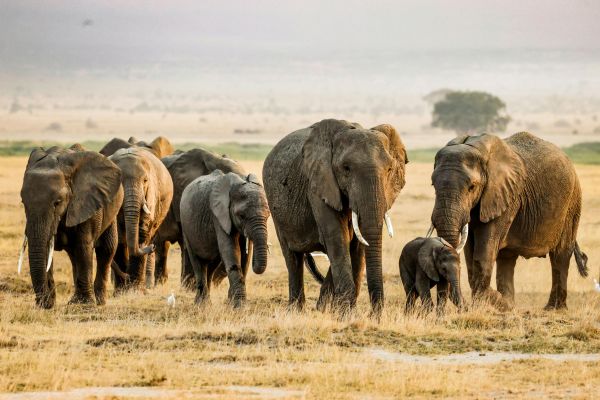
Wild animals can inspire wonder, but living near them may involve serious risks. Elephants can destroy crops overnight. Predators may kill livestock. Large animals can damage property or threaten human safety.
People living far from conservation areas may support the protection of these species without experiencing any of these costs. Local residents, meanwhile, may be asked to tolerate financial losses for the sake of a global environmental goal.
That imbalance creates an ethical problem. Conservation cannot depend indefinitely on vulnerable communities absorbing damage without support.
Compensation programs, wildlife-resistant fencing, early-warning systems, improved livestock protection, and community-managed tourism can reduce conflict. These measures are not acts of generosity. They recognize that the responsibility for preserving wildlife should be shared more fairly.
When local people receive little benefit and face repeated losses, resentment is understandable. Long-term conservation is more likely to succeed when wildlife is connected to security, dignity, and opportunity rather than constant sacrifice.
Knowing When Intervention Is Justified
Conservation sometimes requires active intervention. Animals may be moved to safer habitats, bred in captivity, vaccinated against disease, treated after injury, or provided with food during an emergency.
Intervention can prevent extinction, but it also raises difficult questions. Should humans rescue every injured wild animal? Is it ethical to move predators into an area where local communities oppose their return? When does helping wildlife become an attempt to control nature?
There is no universal answer. A practical distinction can be made between natural processes and harm caused or intensified by people. Intervention may be easier to justify when a population is declining because of habitat destruction, pollution, introduced disease, hunting, or climate change.
Even then, good intentions are not enough. Moving or breeding animals can spread disease, reduce genetic diversity, disrupt social groups, or create dependence on human care. Ethical decisions must consider the likely consequences, not simply the desire to be seen doing something.
Confronting the Ethics of Population Control
Few conservation issues are as uncomfortable as controlling animal populations. Invasive species may threaten native wildlife. Overabundant herbivores can damage forests. Predators introduced into unfamiliar ecosystems may devastate local bird or reptile populations.
Management can involve contraception, relocation, exclusion, habitat modification, or lethal control. Every option has welfare implications.
Leaving a population alone may appear compassionate, but it can lead to starvation, disease, ecosystem collapse, or the disappearance of other species. Lethal methods may produce faster ecological results while causing direct harm to individual animals.
Wildlife conservation ethics forces decision-makers to consider both individual welfare and ecosystem health. It also demands evidence that control is necessary, targeted, and likely to work. Killing animals without addressing the conditions that created the problem is neither effective nor ethically defensible.
Where control cannot be avoided, methods should minimize suffering and be accompanied by transparent monitoring.
Questioning Captive Breeding and Wildlife Tourism
Captive breeding can provide a lifeline for species that are close to extinction. Carefully managed programs may preserve genetic diversity, support research, and prepare animals for eventual release.
However, captivity is not automatically conservation. Animals may be bred without a realistic plan for reintroduction. Facilities may prioritize visitor entertainment, close encounters, or constant reproduction rather than animal welfare and habitat protection.
Wildlife tourism raises similar concerns. Tourism can fund conservation and create local employment, but poorly managed experiences may disturb feeding, breeding, migration, or natural behavior. Animals can become stressed or conditioned to approach people.
Ethical programs place animal welfare and ecological goals ahead of convenience. They limit contact, control visitor numbers, avoid forcing unnatural behavior, and explain honestly how revenue supports conservation.
A photograph beside a wild animal may feel memorable. It should never matter more than the animal’s freedom, safety, or long-term survival.
Using Science Without Ignoring Values
Conservation decisions rely on data, but science alone cannot determine what is morally acceptable. Research may show that removing a certain number of animals could restore an ecosystem. It cannot, by itself, decide whether that action is just.
Values enter whenever people choose which outcomes matter, how much risk is acceptable, or whose interests deserve priority. Pretending these choices are purely technical can hide important disagreements.
Ethical conservation makes its values visible. It explains why a decision was made, what evidence supports it, who may be harmed, and what alternatives were considered.
Transparency also builds trust. Conservation organizations should be willing to report failures, unintended consequences, and uncertainty. Nature is complex, and responsible management sometimes requires changing direction when new evidence appears.
Protecting Nature Through Fair and Lasting Choices
Wildlife conservation ethics does not offer easy answers. Instead, it provides a way to approach difficult choices with greater honesty and care. It asks conservationists to look beyond species numbers and consider animal welfare, community rights, ecological relationships, cultural values, and the distribution of costs and benefits.
Protecting nature responsibly means accepting that good goals can still be pursued through harmful methods. It also means recognizing that refusing to intervene can carry consequences of its own.
The most ethical conservation is not necessarily the loudest or most dramatic. It is conservation that listens, learns, shares power, uses evidence carefully, and remains accountable to both people and the living world. Wildlife cannot speak in policy meetings, but the decisions made there will shape its future. That responsibility deserves patience, humility, and far more than simple slogans.