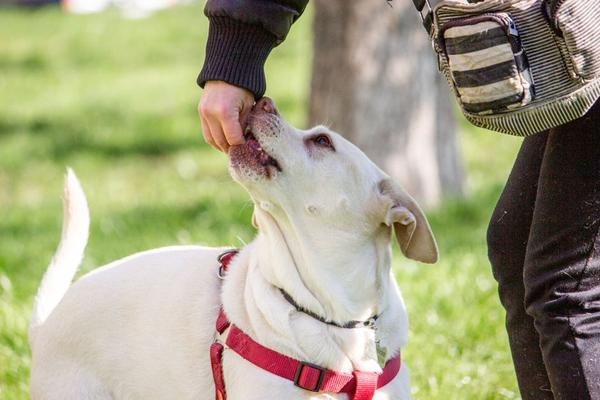
Walk into any dog park in 2026 and you’ll notice something: fewer choke chains, fewer raised voices, a lot more clicking sounds and treat pouches clipped to belts. That shift isn’t a trend—it’s the result of decades of behavioral science finally catching up with how dogs actually learn. Positive reinforcement dog training has moved from “alternative method” to the default recommendation among professional trainers, veterinary behaviorists, and shelter organizations alike. If you’re wondering why force-free training keeps winning out over old-school correction-based methods, and how to actually put it into practice with your own dog, this guide breaks it all down.
What Positive Reinforcement Dog Training Actually Means
At its core, positive reinforcement is simple: when your dog does something you like, you immediately reward it, making that behavior more likely to happen again. No leash pops, no yelling, no physical corrections. Instead, you’re building a partnership where your dog wants to work with you because good things reliably follow good choices.
This is different from punishment-based training, which relies on discouraging unwanted behavior through discomfort or intimidation. While correction-based methods can suppress behavior temporarily, they often do so by creating fear or confusion rather than actual understanding. Reward-based training, by contrast, teaches your dog what to do instead of just what not to do—and that distinction matters enormously for long-term behavior and trust.
Why Force-Free Training Keeps Gaining Ground
Ask any trainer why they’ve moved toward force-free methods, and you’ll hear a consistent theme: the results simply hold up better over time. Dogs trained with positive reinforcement tend to show fewer signs of anxiety, less reactivity, and stronger bonds with their handlers compared to dogs trained through aversive methods.
There’s also a practical reason for the shift. Modern dog owners are busier, more informed, and increasingly unwilling to use tools or techniques that cause their dog stress. Search interest and trainer recommendations throughout 2026 continue to reflect this—people aren’t just looking for obedience, they want a training approach that feels humane and sustainable for everyday life with a pet.
The Science Behind the Method
Positive reinforcement is rooted in operant conditioning, a concept first studied extensively in the mid-20th century. The principle is straightforward: behaviors followed by a rewarding consequence are repeated, while behaviors that aren’t reinforced tend to fade out naturally. Dogs, like most animals, are highly responsive to this kind of learning because it’s built around consistency and clear cause-and-effect feedback rather than fear.
Getting Started: The Basics of Reward-Based Training
You don’t need a background in animal behavior to start using positive reinforcement effectively. A few foundational principles will get you most of the way there.
Timing Is Everything
Dogs live in the moment, so your reward needs to arrive within a second or two of the desired behavior. Wait too long, and your dog may not connect the treat with the action you’re trying to reinforce. This is exactly why so many trainers rely on a tool that marks the exact moment of good behavior—which brings us to clicker training.
Clicker Training as a Precision Tool
Clicker training uses a small handheld device that makes a distinct “click” sound the instant your dog does something right. The click itself doesn’t reward your dog—it’s paired with a treat that follows immediately after. Over time, your dog learns that the click means a reward is coming, which lets you mark precise moments of good behavior even from a distance or mid-motion.
This precision is especially useful for shaping complex behaviors step by step, like teaching a dog to touch a target, walk politely on a loose leash, or hold a stay for longer periods. Many trainers consider clicker training one of the most efficient entry points into force-free training because it removes ambiguity from the learning process.
Choosing the Right Rewards
Treats are the most common reward, but they’re not the only option. Praise, play, access to a favorite toy, or even the chance to sniff an interesting patch of grass can all function as reinforcement, depending on what motivates your individual dog. High-value treats—small, soft, and quick to eat—work best for training sessions since they keep momentum going without derailing the session for a chewing break.
Common Mistakes That Slow Down Progress
Even well-intentioned owners can stumble when they’re new to reward-based training. A few patterns show up again and again.
Inconsistent timing is probably the biggest one—rewarding a second or two too late can accidentally reinforce the wrong behavior. Another common issue is over-reliance on treats without gradually fading them out, which can leave dogs only responsive when food is visible. Trainers generally recommend transitioning from constant rewards to intermittent reinforcement once a behavior is well established, so the dog continues responding reliably even when a treat isn’t immediately on hand.
Finally, many owners unintentionally reinforce unwanted behavior by giving attention—even negative attention—to things like jumping or barking. Dogs don’t distinguish between “good” and “bad” attention the way people do; to them, attention is attention. Ignoring unwanted behavior while consistently rewarding calm alternatives tends to work far better than scolding.
How Positive Reinforcement Compares to Traditional Methods
Traditional, correction-based training often relies on physical tools or verbal corrections to stop unwanted behavior in the moment. It can produce fast results, but those results are frequently built on suppressing behavior rather than teaching a dog what to do instead. This can lead to unpredictable side effects, including increased anxiety or, in some cases, defensive aggression.
Force-free training takes longer to show results in some cases, but the behaviors tend to be more durable because they’re built on understanding rather than avoidance. It also tends to strengthen the relationship between dog and owner, since the dog associates training sessions with positive experiences rather than tension.
Frequently Asked Questions
Is positive reinforcement training effective for all dog breeds?
Yes. While individual dogs vary in temperament and motivation, the underlying learning principles apply across breeds. Working breeds, toy breeds, and everything in between all respond to consistent, reward-based feedback—the main variable is finding what motivates your specific dog.
How long does it take to see results with reward-based training?
Many dogs show noticeable progress on basic cues within a few days of consistent, short training sessions. More complex behaviors, or work with dogs that have existing behavioral issues, can take several weeks of steady practice.
Do I need a clicker to use positive reinforcement, or can I just use treats?
A clicker isn’t required, but it helps with precision, especially for shaping new behaviors. Many owners get excellent results using a verbal marker word, like “yes,” paired with a treat, instead of a physical clicker.
Can positive reinforcement fix behavioral problems like jumping or leash pulling?
In most cases, yes. The key is rewarding the alternative behavior you want—like four paws on the floor or a loose leash—rather than only trying to stop the unwanted behavior. Consistency across every family member handling the dog makes a significant difference.
Final Thoughts
Positive reinforcement dog training isn’t just a gentler alternative to old-school methods—it’s become the standard for a reason. It builds trust, produces behaviors that hold up over time, and turns training sessions into something both you and your dog actually look forward to. Whether you’re just starting with a new puppy or working through specific behavior challenges with an older dog, the fundamentals stay the same: reward what you want to see, stay consistent, and let the relationship do the rest.