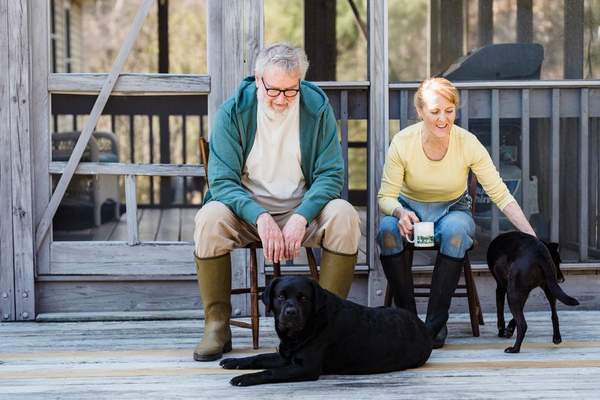
As veterinary medicine, nutrition and preventive care improve, more dogs are reaching their senior years and enjoying meaningful time with their families. That is wonderful news, but it also means owners need to recognise that an older dog’s needs can change gradually. Caring for a senior dog at home is less about rewriting their routine and more about making thoughtful adjustments that protect comfort, confidence and quality of life.
There is no single age at which every dog becomes “senior”. Larger breeds may show age-related changes earlier than smaller dogs, while genetics, lifestyle and health history also matter. Rather than focusing only on a number, watch the dog in front of you. Changes in movement, appetite, sleep, behaviour or toilet habits can reveal what support they need.
Start With Regular Veterinary Care
Good aging dog care begins with veterinary support. Senior dogs can develop health problems that look like ordinary ageing, including stiffness, reduced enthusiasm, weight change, confusion or increased thirst. Do not assume a new symptom is simply something your dog must live with. Many conditions can be treated or managed more effectively when identified early.
Keep routine health checks, vaccinations and parasite prevention up to date according to your vet’s advice. Between appointments, note changes in appetite, drinking, weight, breathing, mobility, sleep or personality. A simple weekly record can make patterns easier to spot and gives your vet clearer information.
Know When to Contact the Vet
Arrange veterinary advice if your dog suddenly becomes weak, struggles to stand, appears painful, stops eating, loses weight, drinks or urinates much more than usual, has difficulty breathing or shows a marked behavioural change. New disorientation, restlessness or disrupted sleep should also be discussed because medical problems can appear as behavioural changes.
Create a Comfortable, Accessible Home
Small home changes can make an enormous difference to an older dog. Slippery floors are challenging when joints are stiff or muscles are weaker, so place non-slip rugs along the routes your dog uses most. Keep food, water, bedding and access to the garden easy to reach.
Provide a warm, supportive bed in a quiet area away from draughts and busy foot traffic. If stairs have become difficult, use a secure gate to limit unsupervised access and ask your vet whether a ramp or support harness would help. Avoid repeated jumping onto furniture or into a vehicle when safer alternatives are available.
Older dogs may need more frequent toilet breaks. A predictable routine reduces stress and helps dogs who are slower to get outside. Accidents in the house should not be punished; they can be linked to pain, reduced mobility, urinary problems or cognitive changes and deserve a veterinary conversation.
Adapt Exercise Without Removing It
Regular movement remains important for older dog mobility, weight management and mental stimulation. However, the type and intensity of activity often need to change. Many senior dogs cope better with shorter, more frequent walks than one long outing. Choose steady routes, allow time for sniffing and avoid forcing a dog to keep pace when they are tiring.
Watch how your dog moves during exercise and how they feel later. Slowing down, lagging behind, limping, stiffness after rest or reluctance to use stairs can indicate discomfort. Speak to your vet because pain relief, weight management or a tailored rehabilitation plan may improve mobility.
When outdoor exercise is limited, offer calm enrichment at home. Scent games, food puzzles, gentle training and supervised searching activities exercise the brain without demanding fast turns or high-impact movement.
Review the Senior Dog Diet
A senior dog diet should match the individual dog rather than their age label alone. Some older dogs become less active and need fewer calories, while others lose weight because of illness, dental pain or reduced appetite. Your vet can recommend an appropriate complete diet based on body condition, lifestyle and any diagnosed condition.
Monitor portions, treats and weight consistently. Extra weight places additional strain on joints and can make movement harder, but unexplained weight loss is equally important to investigate. Check that your dog can reach their bowl comfortably and is not competing with younger pets. Fresh, clean water should always be available.
Make food changes gradually to reduce digestive upset. Do not add supplements, herbal products or human painkillers without veterinary guidance. Products marketed for joints or healthy ageing are not suitable for every dog, especially those taking medication or living with a medical condition.
Support Teeth, Grooming and Everyday Hygiene
Dental discomfort can make eating difficult and may show up as dropping food, chewing on one side, bad breath or avoiding hard treats. Keep up with dental checks and follow your vet’s advice on home care. A sudden preference for softer food should be investigated rather than dismissed as fussiness.
Gentle grooming keeps the coat comfortable and gives you an opportunity to check for lumps, sore areas, skin changes and overgrown nails. Older dogs that walk less may not wear their nails down naturally. Any new lump, wound or sensitive area should be assessed by a vet.
Protect Emotional Wellbeing
Senior dogs often feel safest with familiar people, places and routines. Keep meal times, walks and bedtime reasonably predictable, and introduce household changes gradually. Dogs with reduced hearing or vision may startle more easily, so approach gently and make sure family members understand their changing needs.
Continue offering affection, choice and age-appropriate play. Older dogs still benefit from social contact and learning, even when their physical pace slows. Let your dog rest when they choose and provide a quiet retreat from children, visitors or energetic pets.
Frequently Asked Questions
At what age is a dog considered senior?
It varies by size, breed and individual health. Large dogs may enter their senior stage earlier than small dogs. Your vet can help judge life stage using age, body condition, mobility and medical history rather than one universal number.
How often should a senior dog be walked?
Most older dogs still benefit from regular gentle exercise, but the ideal schedule is individual. Shorter walks taken more frequently are often easier than long or intense sessions. Adjust the pace and duration according to comfort, weather, health and veterinary advice.
Should every older dog eat senior food?
No. A food labelled for senior dogs may suit some pets, but others need a standard adult diet or a veterinary diet for a specific condition. Ask your vet before changing food, especially if your dog is losing weight, gaining weight or taking medication.
What signs show that a senior dog needs help?
Watch for stiffness, difficulty rising, reduced appetite, weight change, increased thirst, house-soiling, confusion, disturbed sleep, withdrawal or unusual irritability. Discuss these signs with a vet because they may reflect pain or illness rather than unavoidable ageing.
Helping Your Dog Age With Comfort and Dignity
Caring for a senior dog at home is built on observation, consistency and timely veterinary support. A softer bed, safer flooring, adjusted exercise, an appropriate diet and a predictable routine can all make everyday life easier. Most importantly, respond to changes rather than accepting them automatically as old age. With practical support and attentive care, your dog’s later years can remain comfortable, connected and full of familiar pleasures.