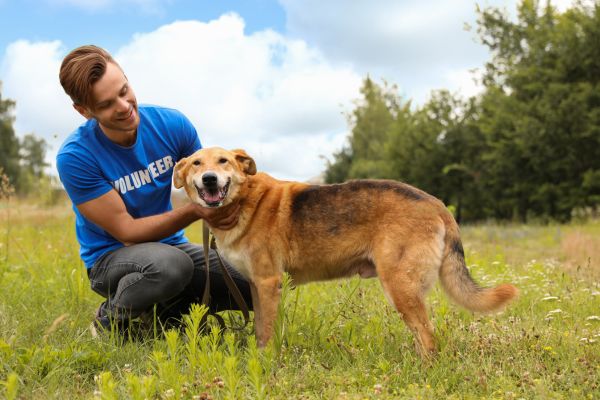
Animal shelters are often seen as places where lost, abandoned, or rescued animals wait for new homes. But anyone who has spent even a little time inside one knows they are much more than that. They are busy, emotional, practical, sometimes noisy, sometimes heartbreaking, and often deeply hopeful spaces. Behind the front desk, behind the kennel doors, and behind every adoption photo, there is a steady amount of work that has to be done every day.
That is where volunteers come in. Local animal shelter volunteer opportunities give ordinary people a way to help animals in a hands-on, meaningful way, even if they cannot adopt. Some volunteers walk dogs. Some clean cat rooms. Some fold laundry, answer phones, transport animals, take photos, or help nervous pets learn to trust people again. The work may not always be glamorous, but it matters more than most people realize.
For animal lovers, volunteering can become one of the most rewarding ways to spend free time. It connects compassion with action. It also reminds us that helping animals is not only about big rescues or dramatic transformations. Often, it is about showing up consistently and doing small things with care.
Why Animal Shelters Depend on Volunteers
Most shelters operate with limited staff, tight budgets, and more animals than they would like to have at any given time. Even well-run shelters can feel stretched, especially during kitten season, after local emergencies, or when a large number of animals arrive at once. Staff members handle medical care, adoptions, intake, cleaning, feeding, behavior notes, calls from the public, and countless behind-the-scenes tasks.
Volunteers help lighten that load. Their support allows staff to focus on urgent responsibilities while animals receive more attention, comfort, and enrichment. A dog that gets an extra walk may be calmer in the kennel. A cat that receives gentle social time may become more confident around visitors. A clean bedding area may reduce stress and help animals rest better.
The impact is not always visible right away. Sometimes volunteering looks like sweeping floors, washing bowls, or sorting donations. But those simple jobs create a healthier, more organized environment. In a shelter, practical help is emotional help too.
Common Volunteer Roles at Local Animal Shelters
When people think about volunteering at an animal shelter, they often imagine cuddling puppies or playing with kittens all afternoon. That can be part of it, but shelter volunteering is usually broader and more structured. Different shelters offer different roles depending on their size, policies, and current needs.
Dog walking is one of the most familiar opportunities. Volunteers may take dogs outside for exercise, bathroom breaks, leash practice, or quiet time away from the kennel. This role often requires training because dogs may vary in size, strength, behavior, and comfort level.
Cat socialization is another common option. Volunteers may spend time sitting with cats, brushing them, playing gently, or helping shy cats become more comfortable around people. For cats that are scared or overstimulated, calm human presence can be just as valuable as active play.
Shelters also need help with cleaning, laundry, dishes, food preparation, donation sorting, and general maintenance. These jobs may sound ordinary, but they keep the shelter running. Some volunteers assist with adoption events, greet visitors, take animal photos, write short pet profiles, or help with office tasks.
There may also be foster care opportunities for people who can temporarily care for animals at home. Foster volunteers may help kittens, senior pets, recovering animals, or pets that struggle in a shelter environment. It is a bigger commitment, but for the right household, it can be incredibly meaningful.
Finding Local Animal Shelter Volunteer Opportunities
The best place to start is close to home. Search for animal shelters, rescue groups, humane societies, municipal shelters, and foster-based rescues in your area. Many have volunteer pages on their websites explaining the application process, age requirements, training sessions, and available roles.
It is also worth checking local community groups, veterinary clinics, pet supply shops, libraries, and social media pages. Smaller rescues may not always have polished websites, but they often need help. Some rely heavily on volunteers for transport, feeding, fundraising, and adoption events.
When looking for local animal shelter volunteer opportunities, pay attention to the type of organization. A city shelter may have different rules from a private rescue. A foster-based rescue may not have a physical building but may need drivers, foster homes, event helpers, or people to manage supplies. A wildlife rehabilitation group may require specialized training and stricter handling rules.
The right opportunity is not only about loving animals. It is about matching your time, skills, comfort level, and availability with what the organization truly needs.
What to Expect Before You Start
Most shelters do not allow new volunteers to walk in and begin handling animals immediately. This is not meant to discourage anyone. It protects the animals, the volunteers, and the staff. Shelters need to know that volunteers understand basic safety, hygiene, animal behavior, and shelter procedures.
You may be asked to fill out an application, attend an orientation, complete training, sign a waiver, or commit to a certain number of hours. Some shelters have minimum age requirements, while others allow younger volunteers if a parent or guardian participates with them.
Training may cover how to read animal body language, how to enter and exit kennels safely, how to clean properly, what to do in an emergency, and which animals volunteers are allowed to handle. At first, you may be given simple tasks before moving into more direct animal care roles.
It can feel slow in the beginning, especially if you are eager to help. But good shelters take training seriously because animals in their care may be stressed, frightened, sick, or unpredictable. Patience is part of responsible volunteering.
The Emotional Side of Shelter Volunteering
Volunteering at an animal shelter can be joyful, but it can also be emotional. You may meet animals with difficult histories. You may see pets arrive confused or scared. You may become attached to an animal and then feel both happy and sad when it gets adopted. Some days may feel heavy.
This does not mean volunteering is negative. In fact, many volunteers describe shelter work as grounding. It teaches resilience, compassion, and perspective. But it is important to be honest about the emotional side. Loving animals deeply can make the work more meaningful, and sometimes more painful.
A healthy volunteer learns to focus on what can be done today. A clean kennel matters today. A walk matters today. A gentle hand, a soft voice, a fresh bowl of water, or a quiet moment with a nervous animal matters today. Shelter work is built on these small acts.
Using Your Skills Beyond Animal Care
Not every volunteer role requires direct animal handling. In fact, some of the most useful help comes from people who offer everyday skills. If you enjoy photography, you may help take better adoption pictures. If you write well, you may help create warm, accurate pet descriptions. If you are organized, you may sort supplies or help with event planning.
People with social media skills can help share adoptable animals and shelter updates. Drivers may assist with transport to vet appointments or foster homes. Handy volunteers may repair crates, build enrichment items, or help maintain outdoor areas. Students may help with simple projects. Retired people may offer steady weekday support when others are working.
This is what makes local animal shelter volunteer opportunities so flexible. There is usually more than one way to help. You do not have to be an expert. You simply need to be reliable, respectful, and willing to learn.
How to Be a Helpful and Reliable Volunteer
Shelters value kindness, but they also need consistency. Showing up when scheduled, following instructions, and respecting shelter rules are just as important as loving animals. Volunteers who arrive on time, communicate clearly, and complete tasks carefully become a real part of the shelter’s support system.
It is also important to listen to staff. They know the animals’ histories, medical needs, behavior concerns, and daily routines. Even if a rule seems strict, there is usually a reason behind it. A dog may not be allowed near other dogs. A cat may need limited handling. A certain room may require special cleaning steps.
Good volunteers do not make the work harder for staff. They make it lighter. They ask questions when needed, accept feedback, and remember that the shelter’s goal is the animals’ safety and wellbeing.
Helping Even When You Have Limited Time
Not everyone can volunteer every week. Life is busy, and shelters understand that. If your schedule is limited, you may still be able to help during adoption days, fundraising events, seasonal donation drives, or transport needs. Some organizations offer short-term projects or occasional volunteer roles.
Remote help may also be possible. Some rescues need support with writing, design, online listings, donation coordination, email replies, or social media scheduling. Others need people to share posts, collect supplies, or connect them with local resources.
The key is to be honest about your availability. It is better to offer two dependable hours a month than to promise weekly help and disappear. Shelters build routines around volunteers, so reliability matters.
Conclusion
Local animal shelter volunteer opportunities are not only for people with endless free time or special animal-care experience. They are for people who care enough to show up in whatever way they can. Some will walk dogs. Some will comfort cats. Some will wash blankets, drive supplies, answer questions, take photos, or foster animals through difficult transitions.
What makes volunteering powerful is not the size of the task. It is the steady kindness behind it. Shelters need people who understand that compassion is often practical. It looks like clean bowls, patient handling, quiet attention, and a willingness to do what is needed.
For anyone who loves animals and wants to make a real difference nearby, a local shelter is a good place to begin. The work may be simple at times, but its impact reaches further than it first appears, one animal, one volunteer, and one caring moment at a time.