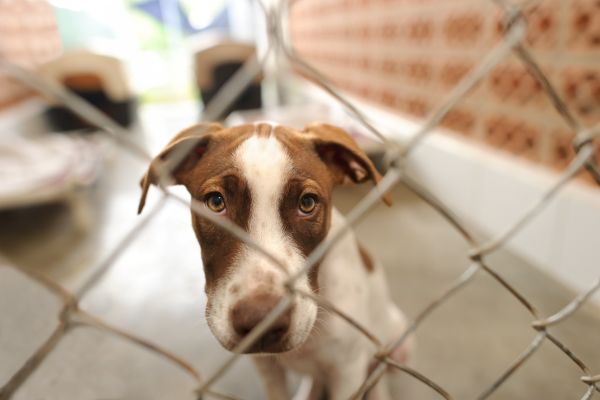
Animal shelters are often seen as places where lost, abandoned, or surrendered pets wait for a second chance. But behind the kennel doors and adoption photos, there is a constant rhythm of care happening every day. Bowls are washed. Blankets are changed. Puppies are fed. Senior cats are comforted. Nervous dogs are walked slowly until they begin to trust again.
All of that care takes time, patience, and resources. While money is always useful, not every meaningful donation has to be financial. There are many thoughtful animal shelter donation ideas that can make daily life easier for staff, volunteers, and, most importantly, the animals themselves.
The best donations are not always the fanciest. Often, they are the practical things shelters use again and again. A clean towel, a sturdy leash, a bag of food, or a simple toy can become part of an animal’s recovery, comfort, and routine. Giving to a shelter is not only about charity. It is about paying attention to what vulnerable animals actually need.
Why Thoughtful Shelter Donations Matter
Animal shelters care for pets with very different needs. Some animals arrive healthy and social. Others come in frightened, underweight, injured, pregnant, elderly, or confused by sudden change. A shelter has to respond to all of this, sometimes with limited space and a small team doing a lot of work.
Thoughtful donations help fill the gaps. Food keeps animals nourished. Bedding offers warmth and softness. Cleaning supplies help prevent illness. Toys reduce stress and boredom. Office supplies, laundry detergent, and storage bins may not seem emotional, but they help the shelter run more smoothly.
When donations match real shelter needs, they save money and time. That means more attention can go directly to the animals. A useful donation is not just an item placed on a shelf. It becomes part of daily care.
Start by Asking What the Shelter Needs
Before gathering items, it is always best to contact the shelter directly. Every shelter has different rules, storage space, and current needs. One shelter may urgently need kitten food. Another may have enough food but be short on towels and disinfectant. A rescue group might need foster supplies rather than kennel supplies.
This is why the most practical animal shelter donation ideas usually begin with a simple question: “What do you need most right now?” That question can prevent waste and make your donation more helpful.
Some shelters keep wish lists on their websites or social media pages. Others may have seasonal needs, such as blankets in colder months or kitten supplies during spring and summer. Taking a few minutes to check can make a big difference.
It is also important to ask what they cannot accept. Many shelters cannot use opened food, expired products, damaged toys, old pillows, heavily worn bedding, or certain types of cleaning chemicals. A donation should help, not create extra sorting work for already busy staff.
Pet Food That Supports Daily Care
Food is one of the most obvious and valuable donations for animal shelters. Dogs, cats, puppies, and kittens all need steady nutrition, and shelters often go through large amounts of food each week.
Unopened dry dog food, dry cat food, canned dog food, canned cat food, puppy food, and kitten food are usually welcome. Canned food can be especially helpful for animals with dental issues, poor appetite, or stress-related eating problems. Kitten and puppy formulas may also be needed by shelters that care for very young animals.
Still, food donations should be chosen carefully. Sudden diet changes can upset animals’ stomachs, so some shelters prefer specific brands. Others may accept a wide range as long as the food is unopened and not expired. If you are unsure, ask first.
Treats can also be useful, especially for training, enrichment, and helping shy animals build trust. Soft treats are often easier for older pets or nervous animals. Simple, gentle options are usually better than heavily flavored or unusual treats.
Clean Bedding and Comfort Items
A soft place to rest can mean a lot to an animal in a shelter. Many pets arrive stressed, tired, or unsure of their surroundings. Clean bedding helps them feel warmer and safer.
Towels are among the most useful shelter donations. They are used for bathing, cleaning, lining crates, drying wet paws, comforting small animals, and managing messes. Washable blankets are also helpful, especially if they are easy to launder and dry quickly.
Flat sheets can be useful too, depending on the shelter. They can cover crates, line bedding areas, or create visual barriers for anxious animals. Some shelters also accept small fleece blankets for cats, kittens, and small dogs.
However, not all bedding is suitable. Large comforters, pillows, and thick cushions may be difficult to wash or can become safety risks if animals chew them. Before donating bulky bedding, check whether the shelter can use it.
A clean, simple towel may not look like a dramatic gift, but in a shelter, it is used constantly. Sometimes the most ordinary items are the most needed.
Toys That Bring Relief From Stress
Shelter life can be noisy and unfamiliar. Animals may hear barking, smell new scents, and see people walking past all day. Toys and enrichment items help reduce stress by giving animals something positive to do.
For dogs, sturdy chew toys, rubber treat toys, tug toys, and washable balls can be helpful. Toys that can be filled with treats or food are especially useful because they keep dogs busy and mentally engaged. For cats, wand toys, soft mice, crinkle balls, scratching pads, and puzzle feeders can make their environment more interesting.
Safety matters here. Donated toys should be new or very clean, durable, and appropriate for shelter use. Broken toys, toys with loose parts, or items that can easily be swallowed may not be accepted. Plush toys can be comforting for some animals, but they may not work for strong chewers.
Toys do more than entertain. They help animals cope, show personality, and sometimes become more relaxed around people. A playful pet is often easier for potential adopters to connect with, which can quietly support the adoption process too.
Cleaning Supplies Shelters Use Every Day
Cleaning is a huge part of shelter work. It is not glamorous, but it is essential. A clean environment helps prevent the spread of illness and keeps animals more comfortable.
Shelters may need paper towels, trash bags, laundry detergent, dish soap, disinfecting wipes, bleach, gloves, hand sanitizer, brooms, mops, sponges, and cleaning sprays. Some may also need pet-safe disinfectants or specialized cleaning products.
Because shelters often have strict cleaning protocols, it is important to ask which products they use. Not every household cleaner is safe around animals. Strong scents and harsh chemicals can irritate pets, especially in enclosed spaces.
Laundry supplies are especially useful. Shelters wash towels, blankets, bedding, and cloth toys constantly. Detergent may not seem like a heartwarming donation, but it supports nearly every animal in the building.
Leashes, Collars, and Everyday Handling Supplies
Walking, moving, bathing, and safely handling animals requires reliable equipment. Leashes and collars are often needed, especially in shelters that care for many dogs or send supplies home with adopters.
Standard leashes, adjustable collars, harnesses, slip leads, and ID tags may all be useful depending on the shelter. Strong, simple designs are often better than decorative ones. Shelters need items that are easy to clean, secure, and practical.
For cats and small animals, carriers can be incredibly useful. Safe carriers help with vet visits, foster placement, transport, and adoption. A sturdy pet carrier can continue helping animals for years.
Bowls are another everyday need. Stainless steel bowls are often preferred because they are durable and easy to sanitize. Plastic bowls may be accepted by some shelters, but they can scratch and hold bacteria more easily.
These items may not feel as emotional as toys or blankets, but they support safe handling and daily routines. In shelter care, that matters a lot.
Cat Litter and Small Animal Supplies
Cat litter is one of those donations that disappears quickly. Shelters with many cats and kittens use large amounts every day. Unscented litter is often preferred because strong fragrances can bother cats and people working in the shelter.
Litter boxes, scoops, scratching pads, cat beds, and small hiding spaces may also be appreciated. Cats often feel safer when they have somewhere to tuck themselves away. Even simple cardboard scratchers can improve their comfort.
Some shelters also care for rabbits, guinea pigs, birds, or other small animals. These animals may need hay, pellets, bedding, chew toys, water bottles, or habitat supplies. Since their needs are specific, ask before donating. The right small animal supplies can be very helpful, but the wrong ones may go unused.
Office and Administrative Supplies
It is easy to forget that shelters also have paperwork, phone calls, records, adoption forms, labels, signs, and daily communication to manage. Office supplies may not seem exciting, but they help the shelter function.
Printer paper, pens, markers, tape, clipboards, folders, envelopes, labels, batteries, and storage bins can all be useful. Shelters may also need postage supplies, file organizers, or laminating sheets for kennel signs and instructions.
Administrative donations support the people doing the work. When staff and volunteers have the tools they need, daily tasks move more smoothly. That leaves more time and energy for animal care.
Gift Cards and Flexible Support
Gift cards can be one of the most practical shelter donations because they allow staff to buy exactly what is needed at the moment. A shelter may suddenly run low on a specific food, medication-related supply, cleaning product, or repair item. Gift cards give them flexibility.
Pet supply stores, grocery stores, hardware stores, and gas stations can all be useful options. Gas cards may help with animal transport, vet visits, rescue transfers, or supply pickups.
This kind of donation works well when you are not sure what to buy. Instead of guessing, you give the shelter the ability to respond to real needs as they come up.
Creative Donation Drives With a Personal Touch
A donation does not have to come from one person alone. A small group can collect more than expected when the idea is simple and inviting.
A birthday donation drive is a meaningful option for children or adults who would rather collect shelter supplies than receive gifts. A classroom can gather pet food or towels. An office can choose one week to collect cleaning supplies. A neighborhood can set up a porch pickup day for unopened food and gently used blankets.
Seasonal drives can also work well. Winter blanket drives, kitten season supply drives, holiday food collections, and back-to-school community projects can all bring people together around a clear purpose.
The key is to keep the effort organized. Tell people what to bring, where to drop it off, and when the drive ends. Clear instructions make kindness easier.
Handmade Donations That Shelters May Accept
Some people like to give something personal. Handmade blankets, simple fleece tie blankets, cat toys, or kennel curtains may be accepted by certain shelters. These items can add comfort and warmth, especially for animals that spend much of their day in kennels or cages.
However, handmade donations should be discussed with the shelter first. Materials must be safe, washable, and free from small parts that animals could swallow. Avoid anything with buttons, beads, loose strings, or strong fragrances.
When done thoughtfully, handmade donations can feel especially tender. They carry the quiet message that someone spent time making life a little softer for an animal they may never meet.
Donating Time Alongside Supplies
While this article focuses on animal shelter donation ideas, time is worth mentioning too. Supplies help, but shelters often also need people. Volunteers may walk dogs, socialize cats, clean spaces, fold laundry, help at events, take photos, transport animals, or support foster programs.
Some people donate items first and later become volunteers. Others cannot volunteer regularly but can help during a single event or donation drive. Both forms of support are valuable.
Time and supplies often work together. A person who drops off towels may also stay to ask about volunteer needs. A family that collects pet food may learn about fostering. A small donation can become the beginning of a deeper connection.
How to Donate Responsibly
Responsible donation is about respect. Shelters are grateful for help, but they also have limited time and space. Dropping off unusable items can create extra work, even when the intention is kind.
Before donating, clean what can be cleaned. Check expiration dates. Make sure packages are sealed. Avoid giving broken, dirty, or unsafe items. If you would not feel comfortable using it for a pet in your care, it may not be suitable for a shelter animal either.
It is also thoughtful to label larger donations, especially if you are collecting from a group. Separate food from cleaning supplies and bedding. This makes sorting easier for shelter staff.
A good donation says, “I thought about what would actually help.” That thoughtfulness is what makes it meaningful.
Conclusion
Creative animal shelter donation ideas do not have to be complicated or expensive. In fact, the most helpful gifts are often the simple ones: food, towels, blankets, toys, cleaning supplies, litter, leashes, carriers, and the everyday items that keep a shelter running.
What matters most is choosing donations with care. Asking what is needed, giving safe and usable items, and understanding the daily reality of shelter work can turn a small gesture into real support. Every clean towel, every unopened bag of food, every toy, and every gift card becomes part of a larger circle of care.
Animal shelters are places of waiting, healing, and hope. Donations help make that hope more comfortable, more practical, and more possible. And sometimes, something as ordinary as a blanket or a can of food can help an animal feel, at least for a moment, that the world has not forgotten them.