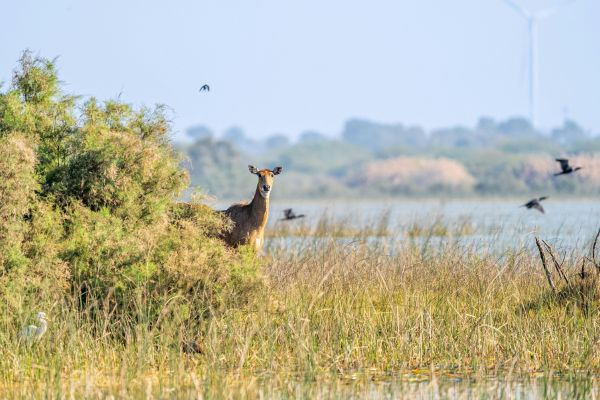
Wildlife photographers have a way of making the natural world feel close, even when the subjects they capture live in distant forests, frozen plains, deep wetlands, or wide-open savannas. Their work is more than a collection of beautiful animal pictures. At its best, wildlife photography tells quiet stories about survival, patience, instinct, beauty, and the fragile relationship between humans and the wild.
A single photograph can do what pages of explanation sometimes cannot. It can show the alert eyes of a snow leopard on a high mountain ridge, the tenderness between an elephant mother and calf, or the sudden energy of a bird taking flight at sunrise. These images stay with us because they feel real. They remind us that animals are not decorations in nature; they are living beings with habits, struggles, territories, and personalities.
Across generations, famous wildlife photographers have shaped how people see the natural world. Some are known for dramatic big-cat images, others for underwater life, bird photography, conservation storytelling, or intimate portraits of endangered species. Their work has inspired public awareness, supported conservation efforts, and encouraged many new photographers to step outside with more patience and respect.
The Art Behind Wildlife Photography
Wildlife photography is often misunderstood as simply being in the right place at the right time. Luck can help, of course, but the craft demands much more. A good wildlife photographer studies animal behavior, weather, light, movement, and habitat. They may wait for hours, days, or even weeks for one meaningful frame.
Unlike studio photography, wildlife photography cannot be fully controlled. Animals do not pose on command. A leopard may stay hidden. A bird may fly away before the camera is ready. Rain, dust, heat, cold, and long travel all become part of the work. This unpredictability is exactly what gives wildlife images their emotional force. The best photographs feel earned.
Wildlife photographers also carry a responsibility. Their presence should not disturb the animal or damage the habitat. Ethical photographers keep a safe distance, avoid baiting or stressing animals, and respect protected areas. The final image matters, but not more than the life being photographed.
Frans Lanting and the Poetry of Wild Places
Frans Lanting is often regarded as one of the most influential wildlife photographers of modern times. His images are known for their painterly quality, rich atmosphere, and deep sense of place. Rather than focusing only on animals as isolated subjects, Lanting often shows them as part of larger ecosystems.
His work has taken him from the rainforests of Borneo to the deserts of Namibia and the icy landscapes of Antarctica. What makes his photography stand out is the feeling that nature is not just being documented, but quietly interpreted. His images can feel almost timeless, as if they belong to a world older than human memory.
Lanting’s famous work often blends science with visual storytelling. He has helped people understand that wildlife is connected to climate, geography, plants, water, and human pressure. Through his lens, animals are not separate from their environment. They are part of a living pattern.
Steve Winter and the Hidden Lives of Big Cats
Steve Winter is widely known for his powerful images of big cats, including tigers, snow leopards, cougars, jaguars, and leopards. His photography often shows animals that are rarely seen in the wild, especially those that move silently through forests, mountains, and night landscapes.
Big-cat photography requires patience and technical skill. These animals are secretive, often active at night, and sometimes live in difficult terrain. Winter’s work has helped bring attention to the challenges facing large predators, including habitat loss, poaching, conflict with humans, and shrinking prey populations.
What makes his images memorable is not only their beauty but their tension. A tiger stepping through mist, a snow leopard moving across a cliff, or a jaguar staring from dense forest carries a sense of mystery. These photographs remind viewers that wild predators are powerful, but also vulnerable.
Joel Sartore and the Power of Animal Portraits
Joel Sartore is best known for the Photo Ark, a long-term project that documents animal species in human care around the world. His style is different from classic wildlife photography because many of his subjects are photographed against clean black or white backgrounds. This creates a portrait-like effect, allowing viewers to look directly at the animal without distraction.
The result is surprisingly emotional. A tiny frog, a rare bird, a large cat, or an unusual insect can appear with the same dignity and importance. Sartore’s work suggests that every species deserves attention, not only the famous or dramatic ones.
His photography also carries a clear conservation message. Many species in the Photo Ark are endangered or little known. By presenting them as individuals, Sartore encourages people to care about animals they may never encounter in the wild. His work shows that wildlife photography can be both artistic and educational without becoming overly sentimental.
Paul Nicklen and Life in the Polar Regions
Paul Nicklen’s photography is closely associated with cold, remote environments. His images often focus on polar bears, seals, whales, penguins, and Arctic or Antarctic landscapes. Because he has spent so much time in extreme conditions, his work carries a strong feeling of closeness to the natural world.
Nicklen’s background and experience in polar regions give his photography a special depth. His images do not simply show beautiful ice and animals; they often reveal the pressure these environments face from climate change. Melting sea ice, shifting ecosystems, and the struggle of polar species appear not as abstract problems, but as visible realities.
His underwater and ice-world photography also expands how people imagine wildlife. Much of nature’s drama happens beyond ordinary human view. Through his camera, viewers enter spaces that are harsh, quiet, and astonishingly alive.
Beverly Joubert and the Story of African Wildlife
Beverly Joubert, often working alongside Dereck Joubert, has spent decades documenting African wildlife, especially big cats. Her photography is known for its emotional storytelling and deep connection to the animals of the African continent.
Images of lions, leopards, elephants, and buffalo in open landscapes have helped shape global understanding of African wildlife. But the strongest work does more than show beauty. It reveals family bonds, hunting behavior, territorial pressure, and the constant balance between life and danger.
Beverly Joubert’s work has also contributed to conservation awareness. African wildlife faces pressure from habitat loss, trophy hunting debates, human-wildlife conflict, and illegal trade. Through long-term observation, her photography gives viewers a sense of animals as part of ongoing lives, not just single dramatic moments.
Art Wolfe and the Visual Patterns of Nature
Art Wolfe is known for a broad visual approach that includes wildlife, landscapes, cultures, and natural patterns. His wildlife photography often emphasizes color, form, camouflage, and composition. Many of his images feel almost like visual puzzles, where an animal blends into grass, rock, leaves, or shadow.
This style highlights one of nature’s most fascinating qualities: adaptation. Animals survive not only by strength or speed, but by disappearing into their surroundings. Wolfe’s photography encourages viewers to slow down and look carefully. The subject is sometimes obvious, sometimes hidden, and sometimes part of a larger design.
His work has influenced many photographers because it shows that wildlife photography does not always need dramatic action. Quiet composition, texture, and pattern can be just as powerful.
Marina Cano and the Emotional Side of Wildlife
Marina Cano is known for expressive wildlife images, especially of African animals. Her photographs often capture intimate moments, soft light, and strong emotional presence. Lions, elephants, giraffes, and other animals appear with warmth and personality in her work.
Her style connects strongly with viewers who are drawn to the emotional beauty of wildlife. A close portrait, a gentle interaction, or a calm moment in golden light can make an animal feel familiar without making it less wild.
This kind of photography matters because emotion can open the door to curiosity. When people feel something while looking at an image, they may become more interested in the animal’s story, habitat, and future.
The Role of Wildlife Photographers in Conservation
Wildlife photographers often become witnesses to environmental change. They see forests disappear, animal numbers decline, migration routes shift, and landscapes become more crowded by human activity. Because of this, many photographers feel a responsibility to use their work for more than visual admiration.
Photography can help conservation by making distant problems visible. A written report may explain that a species is endangered, but a strong photograph can make the loss feel personal. It can show what is at stake in a way that reaches people quickly and emotionally.
However, conservation photography works best when it respects truth. Images should not exaggerate, manipulate, or romanticize wildlife in ways that mislead viewers. Honest storytelling is more valuable than drama for its own sake.
What New Photographers Can Learn from the Masters
Aspiring wildlife photographers can learn many lessons from famous names in the field. The first is patience. Great wildlife images rarely happen in a hurry. Time spent observing is often more important than time spent clicking the shutter.
The second lesson is respect. Getting close is not always better. A responsible photographer understands when to step back. No photograph is worth frightening an animal, disturbing a nest, or changing natural behavior.
The third lesson is storytelling. A technically sharp image is good, but a meaningful image says something. It may show movement, mood, survival, relationship, habitat, or change. The best wildlife photographers are not only camera users; they are careful observers of life.
Finally, great photographers understand light. Early morning, late afternoon, mist, shadow, rain, and snow can all transform a scene. Wildlife photography is about animals, yes, but it is also about atmosphere.
Why Wildlife Photography Still Matters
In a world filled with quick images and constant scrolling, wildlife photography still has the power to make people pause. A memorable image can slow the viewer down. It can create wonder, concern, and respect at the same time.
Wildlife photographers help bridge the distance between human lives and wild places. Most people will never track a tiger, dive under polar ice, or wait quietly beside a wetland at dawn. Through photography, they can still experience a small part of those worlds.
This does not replace real conservation work, but it supports it. People are more likely to protect what they have seen, understood, or emotionally connected with. A photograph can be the beginning of that connection.
Conclusion
Famous wildlife photographers have shaped the way we see animals and the landscapes they depend on. Through patience, skill, and deep respect for nature, they have shown us moments that might otherwise remain hidden: a predator moving through darkness, a bird in perfect flight, a rare species looking directly into the lens, or a fragile habitat glowing in soft light.
Their work reminds us that wildlife photography is not only about beauty. It is about attention. It asks us to look more closely, care more deeply, and understand that every wild creature exists within a larger story. In that sense, wildlife photographers do more than capture images. They help keep the wild world present in human memory, and that may be one of the most important roles photography can play.