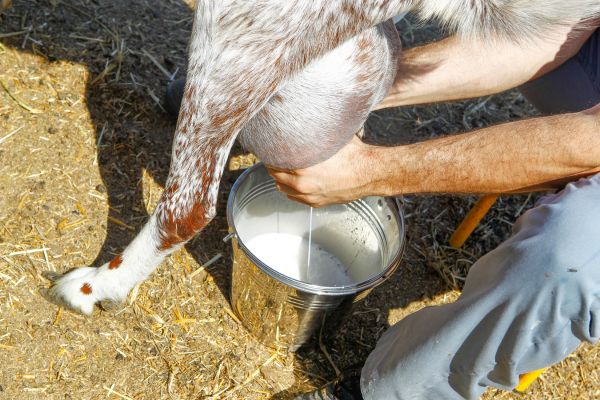
Raising dairy goats has always required a balance of patience, observation, and practical knowledge. Some farmers inherit bloodlines that have produced rich milk for generations, while others slowly build their herd over time through careful breeding decisions. Either way, one truth stays consistent across farms of every size: good milk production rarely happens by accident.
When people talk about breeding goats for milk production, they are really talking about improving the overall quality of the herd. Strong milk output depends on far more than genetics alone. Health, nutrition, temperament, environment, and management practices all shape how productive a dairy goat becomes over the course of its life.
Still, breeding remains the foundation. The choices made during each breeding season influence future generations, often in ways that become obvious years later rather than immediately.
Understanding What Makes a Good Dairy Goat
Not every goat is naturally suited for dairy production. Some breeds are developed primarily for meat or fiber, while others have been carefully selected for milk quantity, butterfat content, and long lactation periods.
Popular dairy breeds such as the Saanen, Nubian, Alpine, and LaMancha each bring different strengths to a breeding program. Some produce large volumes of milk, while others are valued for rich, creamy milk with higher butterfat levels.
A good dairy goat often shows certain physical traits. Strong udder attachment, balanced body structure, healthy feet, and overall durability matter more than appearance alone. Goats bred strictly for size or visual appeal sometimes lack the consistency needed for long-term milk production.
Temperament also deserves attention. Calm, manageable goats are usually easier to milk and handle daily. Nervous or aggressive behavior can complicate routine farm work and even affect milk letdown in some animals.
Why Genetics Matter in Milk Production
Genetics play a central role in dairy performance. A doe may appear healthy and strong, but if her bloodline has poor milk history, her offspring may struggle to meet production expectations.
Experienced breeders often study family records before pairing animals. They look at milk volume, lactation length, kidding history, udder quality, and general health trends within the lineage. Over time, selective breeding helps strengthen desirable traits while gradually reducing weaknesses.
One of the challenges in breeding goats for milk production is patience. Results are rarely immediate. A breeding decision made today may not fully reveal its success until several years later, after daughters mature and enter milk production themselves.
This slow process can feel frustrating for beginners, but it is also what makes herd improvement meaningful. Strong dairy lines are usually built through steady, thoughtful decisions repeated over many seasons.
Choosing the Right Buck
The buck often has a larger genetic influence on the herd than many new goat owners realize. Since one buck may sire dozens of kids, his traits spread quickly through future generations.
Selecting a healthy, structurally sound buck from proven dairy lines is extremely important. Even if a buck cannot produce milk himself, the performance of his mother, sisters, and daughters provides valuable clues about his genetic value.
Farmers sometimes focus heavily on choosing good does while paying less attention to the buck. This imbalance can slow herd improvement. A weak buck may pass along poor udder structure, lower milk output, or health problems that become difficult to reverse later.
Good breeders usually evaluate bucks carefully for strength, mobility, parasite resistance, and overall condition. The goal is not simply producing more goats, but producing better dairy goats.
Managing Breeding Seasons Carefully
Timing affects both kidding success and milk production. Most dairy goat breeders plan breeding schedules around climate, feed availability, and labor demands on the farm.
Does should reach proper maturity and body condition before breeding. Breeding too early can affect growth and future productivity. Healthy adult does generally handle pregnancy and lactation more efficiently than immature animals.
During breeding season, nutrition becomes especially important. Undernourished goats may experience fertility problems or weak pregnancies. On the other hand, excessive weight can create complications as well.
Farmers who keep detailed breeding records often gain an advantage over time. Tracking kidding dates, litter sizes, milk performance, and health history helps identify which pairings consistently produce strong dairy offspring.
These records may seem tedious at first, but they become valuable tools for long-term herd management.
Nutrition Shapes Dairy Potential
Even excellent genetics cannot overcome poor nutrition. Dairy goats place enormous demands on their bodies during lactation, and breeding animals require steady nutritional support year-round.
Protein, minerals, quality forage, and fresh water all contribute to milk production. Calcium and phosphorus balance is particularly important for breeding and lactating does. Deficiencies may affect fertility, milk quality, or overall health.
Goats bred for dairy purposes often need more nutritional attention than casual observers expect. A doe producing heavy milk volumes uses significant energy every single day.
Pasture quality matters too. Seasonal changes in forage can influence milk flavor, volume, and body condition. Many farmers adjust feed programs throughout the year rather than relying on a single routine.
Careful feeding does not guarantee top production, but neglect almost always limits it.
Udder Health and Milk Quality
A productive dairy goat must maintain good udder health over time. Poor udder structure can make milking difficult and increase the risk of infections such as mastitis.
Breeders often pay close attention to teat placement, udder attachment, and symmetry. These traits affect both comfort and long-term functionality.
Some goats produce large quantities of milk early in life but develop udder problems as they age. Others maintain moderate but reliable production for many years. Longevity matters more than short bursts of high output.
Clean milking practices also protect milk quality. Even the best genetics cannot compensate for poor hygiene or stressful handling conditions.
Healthy goats generally produce cleaner, more stable milk with fewer complications during lactation.
Avoiding Common Breeding Mistakes
One common mistake in dairy goat breeding is focusing on a single trait while ignoring the overall animal. For example, chasing maximum milk volume without considering structural soundness may create weak animals prone to injury or health problems.
Inbreeding is another concern in smaller herds. While line breeding can strengthen desirable characteristics when managed carefully, excessive inbreeding increases the risk of genetic weaknesses and reduced vitality.
Some farmers also breed too frequently without giving does enough recovery time between lactations. Overworked animals often lose body condition and become less productive over time.
Rushing herd expansion can create additional problems. Building a dependable dairy herd usually requires restraint as much as ambition.
Strong breeding programs develop slowly, shaped by observation rather than constant experimentation.
The Importance of Healthy Kids
Future milk production begins long before a young doe enters the milking stand. Healthy kids raised properly often grow into stronger dairy animals with better reproductive performance.
Early nutrition, disease prevention, parasite control, and social development all influence long-term outcomes. Stress during early growth stages may affect future size, strength, and productivity.
Young doelings should grow steadily without becoming overweight. Proper development supports stronger pregnancies and healthier lactation later in life.
Farmers who invest time in kid management often notice the benefits years later through more reliable adult animals.
Learning From Experience Over Time
Breeding dairy goats is partly science and partly observation. Two goats with excellent pedigrees may still produce unexpected results. Environmental conditions, management style, and individual temperament all influence outcomes in ways that charts cannot fully predict.
This unpredictability is part of what keeps goat breeding interesting. Farmers gradually learn to recognize subtle signs of quality through experience: the shape of a young doe’s frame, the consistency of certain bloodlines, or the durability of goats that thrive under local conditions.
No herd becomes perfect overnight. Even experienced breeders continue adjusting their programs year after year.
The process rewards careful observation more than quick decisions.
Conclusion
Breeding goats for milk production is about much more than increasing milk yield alone. It involves building healthy, resilient animals capable of producing quality milk consistently over time.
Good genetics provide the starting point, but nutrition, management, environment, and patience shape the final outcome. Farmers who approach breeding thoughtfully often discover that long-term improvement comes through small, steady decisions repeated season after season.
Strong dairy herds are rarely built through shortcuts. They develop gradually, guided by practical experience and close attention to the animals themselves.
In the end, successful dairy breeding reflects a deeper understanding of balance. Healthy goats, careful planning, and respect for the natural rhythm of the herd usually lead to the most rewarding results.