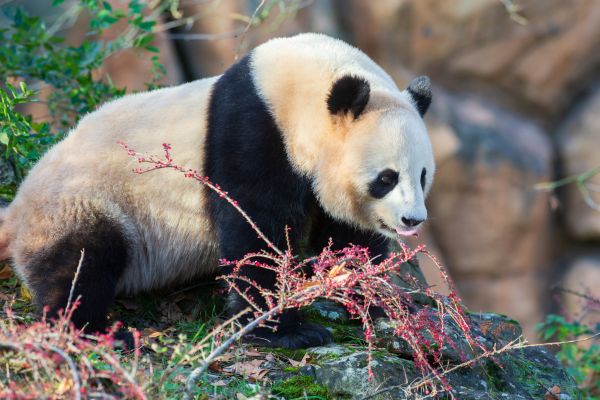
The story of endangered mammals is not only a story about animals disappearing from forests, oceans, mountains, and grasslands. It is also a story about the changing relationship between people and the natural world. Mammals have lived beside humans for thousands of years. Some have inspired legends. Some have shaped ecosystems in quiet, almost invisible ways. Others have become symbols of wilderness itself, from the tiger moving through tall grass to the whale rising slowly from deep water.
Yet many of these animals now live under pressure. Their habitats are shrinking, food sources are changing, and human activity reaches places that once felt remote. When we talk about endangered mammals, we are talking about species whose future has become uncertain. Some survive in small scattered populations. Some are protected in reserves but still face threats outside those boundaries. Some are so rare that seeing one in the wild has become almost impossible.
Understanding their situation matters because mammals are not isolated pieces of nature. They are part of living systems. When they decline, the effects can ripple through entire landscapes.
What Makes a Mammal Endangered
A mammal becomes endangered when its population drops so low, or its threats become so serious, that it faces a high risk of extinction. This does not happen overnight. Most species decline slowly at first, often because their habitat is being damaged or divided. Over time, fewer animals are born, fewer survive, and groups become separated from one another.
The word endangered can sound simple, but behind it are many different realities. A large animal such as an elephant may need huge areas of land to find food, water, and safe migration routes. A small mammal may depend on one type of forest, one island, or one narrow climate zone. Marine mammals may travel across vast oceans but still suffer from fishing nets, ship strikes, noise pollution, and warming waters.
In each case, the danger is not just low numbers. It is the loss of balance that allowed the species to survive for generations.
Habitat Loss and the Shrinking Wild
Habitat loss is one of the biggest reasons endangered mammals are struggling. Forests are cleared for farming, roads cut through migration routes, wetlands are drained, and grasslands are converted into settlements or industrial land. For animals, these changes are not small inconveniences. They can mean losing food, shelter, breeding sites, and safe pathways.
Large mammals are especially vulnerable because they often need wide territories. Tigers, snow leopards, orangutans, gorillas, and many hoofed mammals cannot thrive in tiny fragments of habitat. When wild areas are broken apart, animals may be forced closer to human communities. This increases the chance of conflict, road accidents, disease transmission, and illegal hunting.
For smaller mammals, the danger can be even more hidden. A bat species may disappear when old trees are removed. A rare rodent may lose its only grassland habitat. A primate may decline when fruiting trees are cut from the forest. These losses are easy to miss until the population has already fallen sharply.
Iconic Endangered Mammals and Their Struggles
Some endangered mammals are widely known because they have become symbols of conservation. Tigers, for example, once ranged across much of Asia. Today, they survive in much smaller areas, facing threats from habitat loss, poaching, and conflict with people. Their survival depends not only on protecting forests but also on protecting the prey animals they hunt.
Orangutans are another powerful example. Found in the rainforests of Borneo and Sumatra, they depend on trees for food, movement, nesting, and safety. When forests are cleared or burned, orangutans lose almost everything at once. Their slow reproduction makes recovery difficult because females give birth only after long intervals.
Rhinos face a different but equally severe problem. Some species have been pushed close to extinction by poaching driven by illegal wildlife trade. These animals are large and strong, but their size does not protect them from human demand. In some places, rhinos survive only because of constant protection and intensive conservation management.
Marine mammals also face serious risks. The vaquita, a small porpoise found in the Gulf of California, is one of the most endangered mammals on Earth. Its decline has been linked largely to accidental entanglement in illegal fishing nets. Whales, dolphins, seals, and manatees face threats from vessel traffic, pollution, hunting in some regions, and changes in ocean ecosystems.
The Less Famous Mammals That Also Matter
Conservation attention often goes to large, beautiful, or dramatic animals. That is understandable, but many endangered mammals are not famous. Some are small, shy, nocturnal, or rarely photographed. They may not appear on posters, but they still matter.
Pangolins, for instance, are unusual mammals covered in scales. They are heavily trafficked, and several species are now endangered or critically endangered. Their quiet nature makes them easy to overlook, yet they play a role in controlling insect populations.
Bats are another group that often suffers from misunderstanding. Many bat species are vital pollinators, seed dispersers, and insect hunters. When bat populations decline, ecosystems can lose important nighttime workers. Some endangered bats are threatened by cave disturbance, disease, pesticides, and habitat destruction.
Small primates, wild cats, antelopes, rodents, and marsupials can also be at risk. Their stories remind us that conservation should not depend only on an animal’s popularity. A species does not need to be famous to be ecologically important.
Human-Wildlife Conflict and Survival Pressure
As human settlements expand into wild areas, encounters between people and mammals become more common. Sometimes these encounters are harmless. Other times, they create real problems. Elephants may raid crops. Big cats may attack livestock. Monkeys may enter villages in search of food. Predators may be killed in retaliation after conflict with farmers or herders.
Human-wildlife conflict is one of the most complicated issues in conservation because both sides matter. Local communities may already be living with limited resources, and losing crops or livestock can be devastating. At the same time, killing endangered mammals can push already fragile populations closer to extinction.
Solutions require patience and practical thinking. Better fencing, early warning systems, livestock protection, compensation programs, community education, and safer land-use planning can all help. Conservation works best when it supports people as well as wildlife. If local communities are ignored, even well-meaning protection efforts may fail.
Climate Change and a Moving Habitat
Climate change adds another layer of pressure. As temperatures shift, rainfall patterns change, ice melts, and vegetation zones move, mammals may struggle to adapt. Some can move to new areas. Others cannot. Mountain species, for example, may be pushed higher until there is nowhere left to go. Arctic mammals depend on ice, snow, and cold-adapted food webs that are changing rapidly.
Marine mammals face warming seas, shifting fish populations, and changing migration patterns. On land, droughts can reduce water sources and vegetation, creating stress for herbivores and the predators that depend on them. Climate change may also increase disease risks and intensify competition between species.
For endangered mammals already living in small populations, these changes can be especially dangerous. A healthy, widespread species may absorb some environmental stress. A tiny population with limited habitat has much less room to recover.
Why Mammals Are Important to Ecosystems
Mammals often shape the environments around them. Some are seed dispersers, carrying seeds across forests through their droppings. Some are grazers that keep grasslands open. Some are predators that help control prey populations. Others dig, burrow, pollinate, or recycle nutrients.
Elephants, for example, can create pathways through dense vegetation and spread seeds over long distances. Wolves can influence the behavior of grazing animals, which may affect plant growth and riverbank health. Bats help control insects and pollinate certain plants. Even small mammals can affect soil structure and plant communities.
When endangered mammals disappear, ecosystems may lose functions that are difficult to replace. The loss may not be obvious at first. A forest may still look green. A grassland may still look open. But over time, the missing role can change how the whole system works.
Conservation Efforts That Offer Hope
The situation is serious, but not hopeless. Around the world, conservation efforts have helped some endangered mammals stabilize or recover. Protected areas, anti-poaching patrols, habitat restoration, breeding programs, wildlife corridors, and community-led conservation can all make a difference.
Wildlife corridors are especially important for animals that need to move between habitats. These corridors connect protected areas and allow mammals to find mates, food, and seasonal ranges. Without them, populations can become isolated, leading to inbreeding and long-term decline.
Community involvement is another essential part of conservation. When local people benefit from protecting wildlife, conservation becomes more realistic. This might involve jobs, education, sustainable tourism, crop protection, or shared management of natural resources. The strongest conservation efforts usually grow from cooperation rather than outside pressure.
Science also plays a key role. Researchers use camera traps, satellite tracking, genetic studies, and field surveys to understand where endangered mammals live and what they need. Better information leads to better protection.
What Ordinary People Can Do
Not everyone can work in a national park or join a wildlife research team, but ordinary choices still matter. People can support responsible conservation organizations, avoid products linked to habitat destruction, reduce plastic use, and learn before visiting wildlife attractions. Ethical travel choices are especially important. Any place that allows unsafe handling, forced performances, or close-contact photo sessions with wild mammals should raise concern.
Awareness also has value. Talking about endangered mammals in a thoughtful way keeps these issues visible. The more people understand the causes behind extinction risk, the harder it becomes to ignore them. Conservation is not only the work of scientists and rangers. It is also shaped by public interest, laws, consumer habits, and the stories people choose to share.
Seeing Endangered Mammals as More Than Symbols
It is easy to turn endangered mammals into symbols: the tiger as power, the elephant as memory, the whale as mystery, the orangutan as innocence. Symbols can inspire people, but animals are more than symbols. They are living beings with behaviors, needs, relationships, and roles in nature.
Their survival depends on more than emotion. It depends on protected habitats, fair policies, responsible development, reduced illegal trade, and long-term commitment. It also depends on a shift in how humans see the wild. Nature is not an endless background for human activity. It is a shared living system, and mammals are among its most visible reminders.
Conclusion
Endangered mammals are species at risk, but their stories are not only about loss. They are also about choices. Every forest protected, every migration route restored, every illegal trade network disrupted, and every community supported can help change the future for wildlife.
The challenge is large because the pressures are large. Habitat loss, climate change, poaching, pollution, and human-wildlife conflict do not have simple solutions. Still, conservation has shown again and again that recovery is possible when people act with patience and purpose.
To care about endangered mammals is to care about the health of the planet itself. These animals carry the history of wild places in their movements, calls, migrations, and quiet daily lives. Protecting them means protecting the living fabric that holds ecosystems together. And perhaps, in doing so, humans also protect something essential in themselves: the ability to share the world with other life, not as owners, but as responsible neighbors.