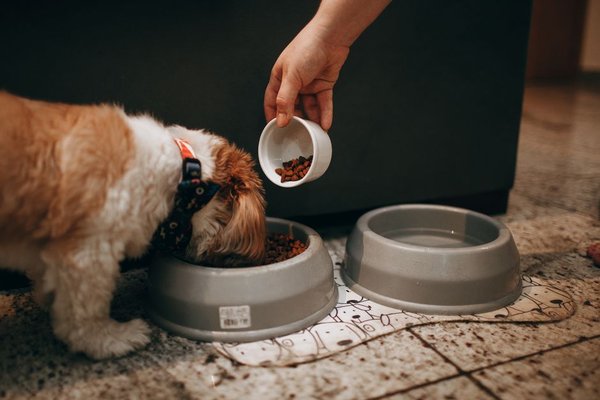
A dog watching you prepare dinner can make almost any ingredient look like a potential treat. But the difference between a harmless bite and a veterinary emergency is not always obvious. When deciding which foods dogs can and cannot eat, think in three groups: generally safe when prepared simply, acceptable only in limited amounts, and foods to avoid entirely. Preparation, portion size and your dog’s health matter just as much as the ingredient.
Start with three simple food-safety rules
First, use a complete and balanced dog food as the foundation of the diet. Human food is an occasional extra, not a nutritional substitute. The World Small Animal Veterinary Association recommends that treats supply no more than 10% of a dog’s daily calories. For a small dog, that allowance can disappear surprisingly quickly.
Second, serve individual ingredients rather than sharing seasoned meals. Garlic powder, onion, excess salt, butter and rich sauces can turn an otherwise suitable food into a poor choice. Third, introduce one new food at a time in a small piece. That makes it easier to notice vomiting, diarrhea, itching or other unexpected reactions.
Safe foods for dogs when prepared properly
Vegetables that work as simple treats
Carrots, cucumber, green beans and zucchini are useful low-calorie choices for many healthy dogs. Offer them plain, washed and cut to a size your dog can chew safely. Carrots and green beans may be served raw or cooked without seasoning; steaming can make firmer vegetables easier for some dogs to manage.
Fruits that can be shared in small portions
Apple slices without the core or seeds, blueberries, strawberries and seedless watermelon flesh are familiar human foods dogs can eat. Remove watermelon rind and seeds, and avoid fruit packed in syrup. Bananas are also suitable for most dogs but are better as an occasional bite because they contain more sugar and calories than many vegetables.
Plain proteins and other useful additions
Fully cooked, boneless chicken or turkey, a little well-cooked egg, and plain cooked rice are usually suitable for healthy dogs. Remove skin, excess fat, bones and all seasonings. Unsweetened, unspiced pumpkin puree can be another practical option; check that the tin contains pumpkin rather than sweetened pie filling. These foods are extras, not a complete homemade feeding plan.
Foods dogs can eat only with limits or extra care
Peanut butter is a classic example: a small amount can work in a food toy or help disguise an approved medication, but it is calorie-dense. Check every ingredient label for xylitol, sometimes labelled birch sugar, before offering it. A spoonful from the wrong jar is not an ordinary dietary mistake; it may be an emergency.
Cheese and plain yogurt are not necessarily poisonous, yet some dogs digest lactose poorly and develop diarrhea or gas. Choose small amounts of plain products, with no added sweeteners, and avoid them when fat restriction is medically necessary. Fatty meat scraps, bacon and greasy leftovers can trigger digestive upset and, in susceptible dogs, pancreatitis.
Toxic foods for dogs that should stay off the menu
Grapes, raisins and related dried grapes
Grapes, raisins, sultanas and currants made from grapes can cause serious kidney injury. Reactions are unpredictable, and there is no reliably established safe amount. Do not wait for symptoms or assume one grape is harmless. Contact a veterinarian promptly after any suspected exposure.
Chocolate, caffeine and xylitol
Chocolate contains theobromine and caffeine, which can affect the heart and nervous system. Cocoa powder and dark baking chocolate are especially concentrated, although all chocolate should be kept away from dogs. Coffee grounds, caffeine tablets and energy drinks are also dangerous. Xylitol, found in some sugar-free gum, sweets, baked goods, toothpaste and nut butters, can cause a sudden dangerous fall in blood sugar and sometimes liver injury.
Onions, garlic, macadamias, alcohol and raw dough
Onions, garlic, leeks and chives can damage red blood cells, even when dried, powdered or cooked. Macadamia nuts may cause weakness, tremors, vomiting and increased body temperature. Alcohol is poisonous, while unbaked yeast dough can expand in the stomach and produce alcohol as it ferments. These are not foods to experiment with, even in small servings.
Other hazards that are not always poisons
Cooked bones can splinter, while raw bones can also cause broken teeth, choking or intestinal injury. Corn cobs, fruit stones and avocado pits may obstruct the digestive tract. Raw meat and eggs can carry harmful bacteria. Wild mushrooms should not be fed because identification mistakes can have serious consequences. Dog food safety includes preventing choking, infection and blockages, not simply avoiding toxins.
Make ordinary family meals safer for your dog
Imagine preparing a roast chicken dinner. Before seasoning the meat, set aside a small fully cooked, boneless piece for your dog. Add two or three softened carrot pieces if appropriate. Skip the gravy, onion stuffing, cooked bones and buttery potatoes. This creates a clear boundary between your plate and a safe occasional treat.
For day-to-day rewards, consider rotating tiny vegetable pieces with part of your dog’s regular kibble ration. The right portion depends on body size, calorie needs and medical history. Dogs with diabetes, kidney disease, pancreatitis, allergies or a prescribed diet may need different rules, so ask your veterinarian before adding extras.
What if your dog eats something dangerous?
If your dog swallows a potentially toxic food, remove access to it, save the packaging and note the ingredient, approximate amount, time eaten and your dog’s weight. Call your veterinarian, an emergency veterinary clinic or an animal poison-control service immediately. Do not induce vomiting or give home remedies unless a veterinary professional specifically tells you to. Some poisonings cause delayed symptoms, so a dog that looks normal may still need prompt assessment.
Frequently asked questions
Can dogs eat eggs every day?
Fully cooked, unseasoned egg is suitable for many healthy dogs, but daily portions must fit their total calorie needs. Eggs should not crowd out complete dog food, and dogs on restricted diets need veterinary guidance.
Are apples and bananas safe for puppies?
Small, appropriately sized pieces may be suitable once a puppy is eating solid food, but introduce new treats sparingly. Remove apple cores and seeds, and prioritize a nutritionally complete puppy diet.
Is a tiny amount of onion or garlic safe?
Do not intentionally feed either ingredient. Risk depends on the amount, concentration, frequency and dog’s size, and powders can be especially concentrated. Ask a veterinarian about any suspected significant exposure rather than estimating safety at home.
Can I give my dog food from my dinner plate?
Only if you can confirm every ingredient is suitable and the portion is small. A separate plain serving is safer than leftovers containing sauces, seasonings or bones. When you are uncertain, choose a familiar dog treat instead.
A safer way to share food
Knowing which foods dogs can and cannot eat makes everyday choices much easier. Keep a short list of approved plain treats, measure portions and store toxic ingredients out of reach. The goal is not to make a dog eat like a person; it is to share the occasional snack without compromising a balanced diet or missing a serious risk.