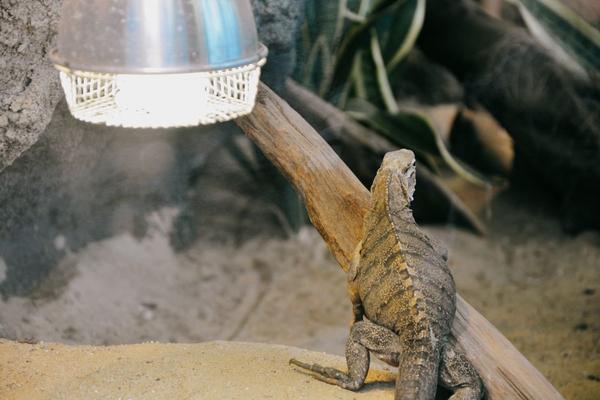
A reptile heat lamp does more than warm a terrarium. It creates a place where an animal can raise its body temperature, while another area stays cool enough for retreat. Get that balance wrong and even an expensive bulb can cause discomfort, burns or overheating. This reptile heat lamp guide explains how to choose equipment, position it and confirm that temperatures are safe.
Plan the heat around your reptile
Reptiles regulate body temperature by moving between warmer and cooler places. A basking lizard, forest-dwelling snake and crested gecko need different conditions. Start with a reputable species-specific care guide and identify the daytime basking temperature, warm-side air temperature, cool-side temperature and acceptable night-time minimum.
Consider how the animal uses its enclosure. A climbing species may approach a ceiling lamp from a branch, while a ground-dweller experiences heat near the substrate. A heater that seems distant in an empty tank may become accessible when furniture is added.
Which heat source should you choose?
Daytime basking lamps
A white-light basking lamp or suitable halogen flood lamp creates a bright, localized warm area. For many daytime-active reptiles, light and warmth arriving together reflect natural basking conditions. A broad flood beam can warm a platform more evenly than a narrow spot that creates an excessively hot patch.
Wattage alone cannot predict temperature. Enclosure height, ventilation, room temperature, reflector and distance to the basking surface all matter. Select a compatible bulb and fixture, then adjust using measurements rather than assuming one wattage suits every setup.
Ceramic heat emitters
A ceramic heat emitter produces warmth without visible light. It may maintain overnight temperatures when a species needs supplemental heat, but it cannot replace daytime lighting or UVB. These emitters become extremely hot: use a rated ceramic socket, protective guard where needed and a compatible thermostat.
They heat an enclosure differently from a directional basking bulb. Decide whether you need a daytime basking spot, ambient warmth or both before buying.
Heat lamps and UVB have different roles
Ordinary basking bulbs produce heat and visible light but usually little or no useful UVB. Species that require ultraviolet exposure need an appropriate UVB source. Some combination lamps provide both, although their heat and UV output must each suit the animal at the manufacturer’s specified distance.
For UVB-dependent baskers, arranging the ultraviolet zone near the basking area encourages exposure. A separate UVB lighting for reptiles guide can explain how ultraviolet light supports calcium metabolism.
Create a reptile temperature gradient
Position the primary heat source near one end, not the center. This creates a warm basking zone and cooler retreat. Provide suitable hides at both ends; an animal may remain too hot if the only secure hide sits beneath the lamp.
Imagine a terrarium for a ground-dwelling lizard. Place a stable basking stone under the lamp, add a hide at the cooler end and measure both areas after the system stabilizes. If the cool end becomes almost as warm as the basking end, installing a stronger lamp will not help. Reassess ventilation, lamp output or enclosure dimensions.
A reptile temperature gradient setup checklist should distinguish basking surface, warm-side air and cool-side air temperatures. Those readings measure different conditions and will not necessarily match.
Position the lamp to prevent burns
Follow the lamp and fixture manufacturers’ clearance, mounting and ventilation instructions. Secure overhead equipment against falls and keep hot fixtures away from combustible materials. Never place an unsuitable hot fitting against plastic, wood or other enclosure parts.
Guard any accessible bulb or ceramic heater, especially around snakes and climbing lizards. Check the highest branch or decoration the reptile can reach. A guard can also become hot, so maintain safe separation rather than trusting the barrier alone.
Avoid electric heat rocks: concentrated hot spots can burn reptiles. Keep the terrarium out of direct window sunlight, which can raise internal temperatures unexpectedly.
Use a thermostat and independent thermometers
Reptile heating needs a thermostat compatible with its heat source. Dimming thermostats are commonly used for light-emitting basking bulbs because they smoothly adjust output. Ceramic emitters may use compatible dimming or pulse-proportional control. Check equipment specifications before connecting anything.
Secure the thermostat probe as its manufacturer instructs, usually near the controlled basking zone, where the animal cannot dislodge it. A badly placed probe may allow dangerous overheating despite the thermostat. Select a species-appropriate setting and independently verify the results.
Put digital thermometer probes at the warm and cool ends. An infrared thermometer can check a basking stone’s surface, but that reading is not the same as air temperature. Let the enclosure stabilize and check it during the normal lighting period. Repeat measurements after changing bulbs, moving decorations or during significant seasonal temperature changes.
Respect the day-night cycle
Visible daytime basking lights should generally switch off during darkness. Constant white or colored light can disrupt natural rhythms. Many species tolerate an appropriate overnight temperature drop; others need warmth when the room gets too cold.
If overnight heating is necessary, choose a non-light-emitting heater controlled to a species-appropriate night setting. A timer manages lighting hours; the thermostat manages temperature. One does not replace the other.
Test the enclosure before moving an animal in
Run a new setup through several day-night cycles. Record basking-surface, warm-side and cool-side readings. Confirm that the cool hide stays usable, the probe cannot move and temperatures remain safe when the room warms up.
Use a reptile enclosure safety checklist for maintenance: inspect sockets and cables, clean cooled guards, confirm thermostat operation and replace damaged fittings. Changes in appetite, activity or basking may justify checking temperatures; persistent changes also call for a reptile-experienced veterinarian.
Frequently asked questions
Can a reptile heat lamp stay on all night?
A visible basking lamp generally should not. If the species needs warmth overnight, a controlled non-light-emitting heater is more suitable. Safe night temperatures depend on the species.
How far should a heat lamp be from a reptile?
There is no universal distance. Follow the fixture’s safety clearances, account for the animal’s highest perch and measure temperatures at the actual basking site. UVB equipment has separate distance requirements.
Does a heat lamp replace a UVB bulb?
Not usually. Standard basking lamps provide heat and visible light, not sufficient UVB. Check the reptile’s UVB needs and any combination lamp’s specifications.
Why is the cool side of my terrarium too warm?
The enclosure may be too small, poorly ventilated, exposed to room heat or receiving excessive lamp output. Check thermometers and probe placement, then correct the setup while preserving a cooler escape area.
Let measurements guide the setup
Effective reptile heating is not about buying the strongest bulb. It gives the animal a safe choice between warmth and coolness, keeps hazards out of reach and stays reliable as room conditions change. Start with species-specific requirements, install appropriate controls and trust repeated readings over guesswork.