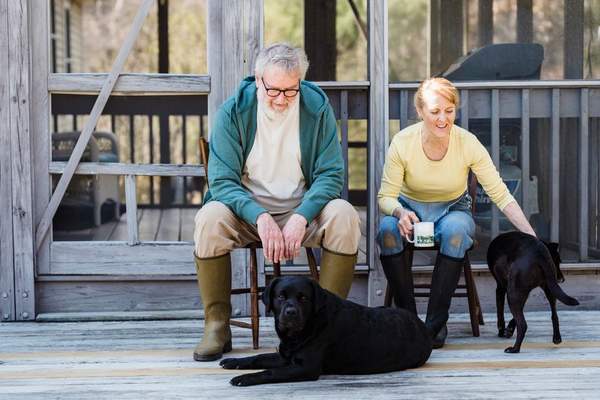
Better preventive care, nutrition, diagnostics, and veterinary treatment mean more dogs are reaching advanced ages. Longer lives bring a new responsibility: noticing small changes early and adjusting the home before everyday tasks become difficult. Caring for a senior dog at home is less about treating “old age” and more about protecting comfort, function, and quality of life as needs change.
Start With Your Dog’s Normal
There is no single birthday when every dog becomes senior. Size, breed, genetics, and health history influence the pace of aging. Build a baseline for your own dog by watching appetite, water intake, body weight, toilet habits, sleep, walking, stair use, and interest in family activities.
Small shifts matter. Drinking more, losing weight, hesitating before jumping, sleeping much more, or becoming restless at night can be early signs of a medical problem rather than “just getting old.” Keeping short weekly notes on these changes gives your veterinarian better information than relying on memory after several months.
Adjust the Senior Dog Diet Without Guesswork
A senior dog diet should support a healthy body condition and preserve muscle, but “senior” does not automatically mean low protein or dramatically fewer calories. Energy needs often decrease with age, while some older dogs lose muscle and need highly digestible, good-quality nutrition. Dogs with kidney disease, diabetes, heart disease, or other conditions may require a more specific plan.
Measure meals rather than filling the bowl by eye, and check body condition regularly. Excess weight places more load on aging joints, yet unexplained weight loss also deserves attention.
If your dog suddenly becomes picky, do not assume a new food is the answer. Dental pain, nausea, medication effects, or disease can reduce appetite. Discuss persistent changes with a veterinarian before making major diet adjustments. For additional reading, a natural internal link here would be senior dog nutrition and healthy weight management.
Make Older Dog Mobility Easier at Home
Slippery floors, high beds, steep stairs, and long walks can turn ordinary routines into obstacles. Older dog mobility often improves when the environment asks for less jumping, twisting, and scrambling. Place nonslip runners on smooth floors, use a stable ramp for the car or sofa, keep food and water easy to reach, and provide a supportive bed in a warm, quiet area.
Movement still matters. Shorter, more frequent walks are often more comfortable than one exhausting outing. Let your dog set a sensible pace and include time to sniff. If stiffness, limping, difficulty rising, or reluctance to move continues, ask your veterinarian about pain assessment, arthritis management, rehabilitation, and suitable exercise.
Never give a dog human painkillers unless a veterinarian specifically directs you to do so. Some common human medicines can be dangerous to dogs.
Keep Dental, Nail, Skin, and Coat Care on the Schedule
Aging dog care often depends on small maintenance tasks. Overgrown nails can alter footing, while regular grooming makes lumps, wounds, and skin changes easier to notice. Dental disease can also cause significant pain before eating changes become obvious.
Brush teeth at home if your dog tolerates it, and ask your veterinarian to assess the mouth during checkups. Bad breath, dropping food, chewing on one side, facial swelling, or pawing at the mouth should not be ignored. A useful related topic to connect internally is dog dental care at home.
Support the Aging Brain as Well as the Body
Some senior dogs become more anxious or confused. They may seem lost in familiar rooms, wake at unusual hours, have accidents indoors, or change how they interact with people. These signs can occur with canine cognitive dysfunction, but pain, sensory loss, urinary disease, and other problems can look similar.
Keep routines predictable while still offering gentle enrichment. Sniffing games, food puzzles suited to the dog’s ability, short training sessions, and calm social contact can keep the day interesting without creating physical strain. Night-lights may help dogs with reduced vision navigate hallways after dark.
Plan Veterinary Care Before There Is a Crisis
Regular veterinary visits become more valuable as dogs age because many conditions are easier to manage when found early. AAHA guidance recommends senior pets receive examinations about every six months, with testing tailored to the individual dog. Your vet may monitor weight, muscle condition, teeth, joints, and laboratory values based on risk.
Continue parasite prevention and vaccinations according to your veterinarian’s advice rather than stopping simply because your dog is older. Preventive care remains part of senior care.
Use a Simple Comfort Check in Daily Life
Imagine a 12-year-old Labrador named Max who still wants to join the family but begins pausing at the kitchen doorway. His owner notices the tile is slippery, not that Max has “lost interest.” Adding a nonslip runner, moving his bed away from a draft, and switching from one long walk to two shorter walks makes daily life easier. The owner also records that Max is slower to rise in the morning and shares that detail at his veterinary appointment, where joint pain can be assessed properly.
This is the practical heart of senior care: observe, adapt, and investigate. A natural internal link from this section would be early signs of arthritis in dogs.
Know Which Changes Need Prompt Attention
Contact a veterinarian promptly for difficulty breathing, collapse, repeated vomiting, inability to urinate, sudden weakness, severe pain, seizures, or rapid deterioration. Persistent increased thirst, unexplained weight loss, house-soiling, appetite loss, new lumps, or major behavior changes also deserve an appointment.
Frequently Asked Questions
How often should a senior dog see the vet?
Many veterinary guidelines recommend checkups about every six months for senior pets. Your dog may need more frequent visits if they have a chronic condition, take long-term medication, or develop new symptoms.
Should senior dogs exercise every day?
Most older dogs benefit from regular, comfortable activity, but intensity should match their health and mobility. Short walks, gentle play, and controlled exercises are often better tolerated than occasional strenuous sessions.
Does every older dog need senior dog food?
No. The best diet depends on body condition, muscle mass, activity level, and medical needs. Some dogs do well on a senior formula, while others need a different complete diet or a veterinary therapeutic food.
How can I tell if my senior dog is in pain?
Watch for stiffness, limping, difficulty rising, reluctance to use stairs, panting at rest, disrupted sleep, withdrawal, irritability, or reduced enthusiasm for walks. Dogs often show pain through behavior changes rather than crying.
Helping Your Senior Dog Age With Comfort
Good senior care is built around observation and thoughtful adjustments. Keep your dog well nourished, make movement safer, protect dental health, provide gentle physical and mental activity, and treat new changes as information rather than inevitable aging. With regular veterinary support, the extra years many dogs now enjoy can also be years with more comfort and quality of life.