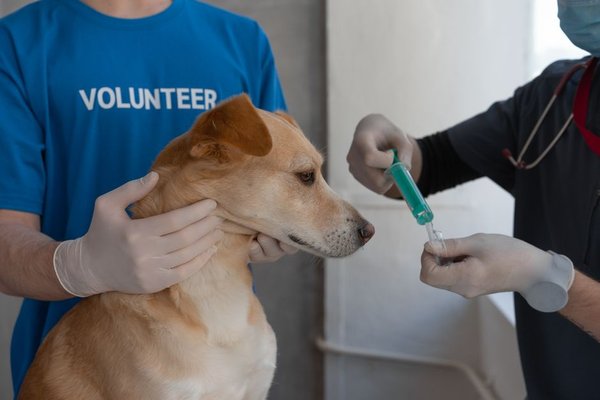
Vaccination can feel confusing when a new puppy comes home because several appointments happen close together, combination vaccines have shortened names, and not every dog needs the same extras. The simplest way to think about it is this: core vaccines protect against diseases that are severe, widespread, transmissible to people, or difficult to avoid through lifestyle alone. Your veterinarian then adds lifestyle-based vaccines that make sense for where your dog lives and what they do.
Current guidance is more nuanced than many older vaccine charts. In North America, the American Animal Hospital Association now classifies leptospirosis vaccination as core for dogs, alongside distemper, adenovirus, parvovirus and rabies; parainfluenza is often included in combination products. Globally, the World Small Animal Veterinary Association treats distemper, adenovirus and parvovirus as core everywhere, with rabies and leptospirosis recommendations influenced by local disease risk, vaccine availability and law. That is why a vet’s schedule may differ slightly from a generic chart online.
Which core vaccines do dogs need?
Distemper, adenovirus and parvovirus
These three viral diseases are commonly covered by one combination injection often called DAP, DA2P or DHPP, depending on the product and whether parainfluenza is included. Canine distemper can affect the respiratory, digestive and nervous systems. Adenovirus vaccination protects against infectious canine hepatitis, while parvovirus can cause severe vomiting, diarrhoea, dehydration and life-threatening illness, especially in puppies.
For puppies, AAHA recommends at least three combination doses between 6 and 16 weeks of age, generally spaced 2–4 weeks apart. The final dose in the initial series should be given at 16 weeks or older because antibodies received from the mother can interfere with earlier vaccination in some puppies.
Rabies
The rabies vaccine protects against a nearly always fatal neurologic disease that can also infect people. Exact timing and revaccination intervals depend on local law and the vaccine used. In many places the first rabies vaccine is given at around 12–16 weeks. For rabies vaccine dogs must follow the rules where they live, so a schedule copied from another state, province or country may not be valid.
Leptospirosis
Leptospirosis is caused by bacteria spread through infected animal urine and contaminated water or soil. It can damage the kidneys and liver and can infect people. AAHA updated its guidance in 2024 to recommend leptospirosis vaccination as core for dogs in North America. The initial series generally starts at 12 weeks and consists of two doses 2–4 weeks apart, followed by boosters, usually annually.
A practical puppy vaccination schedule
A typical puppy vaccination schedule is built around repeated combination doses rather than one “fully vaccinated” appointment. A common plan looks like this: DAP/DA2P at 6–8 weeks, another at 10–12 weeks, and a final puppy dose at 14–16 weeks or later so the series finishes at or beyond 16 weeks. Leptospirosis can begin from 12 weeks with a second dose 2–4 weeks later. Rabies is added when the puppy is old enough under local law and the vaccine label.
Consider a puppy adopted at 9 weeks with paperwork showing one DAP vaccine at 7 weeks. Rather than restarting automatically, the veterinarian may continue the series at appropriate intervals and make sure a dose is given at 16 weeks or older. Bring every vaccine record to each appointment, including breeder, shelter and previous clinic records. Dates and product details matter more than remembering that the puppy “had some shots.”
What happens after the puppy series?
For distemper, adenovirus and parvovirus, AAHA recommends a booster within one year after the initial series, with later boosters generally at three-year intervals. Leptospirosis protection is shorter-lived, so boosters are generally annual after the initial series. Rabies timing remains tied to local law and the licensed product.
Adult dogs with an unknown or incomplete vaccination history need a catch-up plan based on age, health, previous records and the vaccine involved. Core combination vaccines may require fewer initial doses in an adult than in a young puppy, while leptospirosis typically still requires a two-dose initial series.
Which vaccines are not core for every dog?
Bordetella, canine influenza and Lyme disease vaccines are commonly recommended according to lifestyle and geography. A dog attending daycare, boarding, training classes or frequent dog events may have different respiratory-disease risks from a dog that rarely mixes with other dogs. A dog living or hiking in a tick-heavy Lyme disease area may also need additional protection. “Non-core” does not mean unnecessary; it means the decision is individualized.
Related topics worth covering elsewhere on a dog-health site include dog preventive care checklist, puppy health guide and dog parasite prevention. These fit naturally alongside vaccination because infectious-disease protection is only one part of preventive veterinary care.
How much do dog vaccines cost?
Dog vaccine costs vary by country, city, clinic type, vaccine brand and whether the appointment includes an examination or other services. Low-cost vaccination clinics may charge differently from full-service hospitals, and combination vaccines can bundle protection against several diseases. For a useful comparison, ask for the total price of the recommended visit rather than comparing one vaccine fee in isolation.
A puppy may need several visits in a short period, while a healthy adult with a completed series may have longer intervals between some core boosters. If budget is tight, ask the clinic which vaccinations are medically and legally time-sensitive and whether vaccination packages are available.
FAQ
Can a puppy go outside before finishing all vaccines?
Puppies need socialisation, but they are vulnerable to infections such as parvovirus before the series is complete. Ask your veterinarian about local disease risk and safer ways to socialise, such as controlled contact with healthy, vaccinated dogs and avoiding high-risk areas used by many unknown dogs.
Do indoor dogs still need core vaccines?
Yes. Core recommendations are not based only on how much time a dog spends outdoors. Exposure can occur unexpectedly, and rabies may also be legally required. Your veterinarian can adjust non-core vaccines to lifestyle while keeping essential protection current.
Are yearly vaccines necessary for every dog?
No. Some core viral vaccines are typically boosted at three-year intervals after the initial series and first booster, while leptospirosis is generally boosted annually. Rabies follows legal and product-specific intervals. A yearly wellness visit does not mean every vaccine is given every year.
What if my dog has had a previous vaccine reaction?
Tell the veterinarian exactly what happened and when. Most vaccine reactions are mild, but a previous reaction can affect how future appointments are planned. The vet may modify timing, observation or the number of vaccines given at one visit based on medical history.
Keep the schedule personal and documented
The core vaccines dogs need are best understood as a foundation, not a one-size-fits-all calendar. Distemper, adenovirus, parvovirus and rabies remain central, while current North American guidance also places leptospirosis in the core group. Keep accurate records, finish the puppy series on time, maintain appropriate adult boosters and review lifestyle risks with your veterinarian at routine visits. That approach protects your dog without giving vaccines more often than recommended.