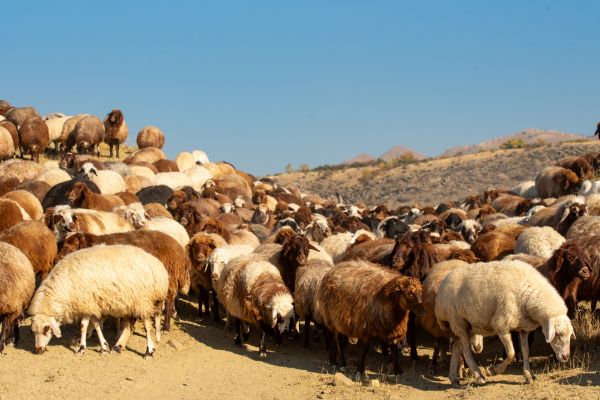
Successful sheep farming rarely happens by chance. Healthy lamb crops, productive ewes, strong growth rates, and steady flock performance usually come from planning rather than luck. While weather, pasture conditions, and market shifts all influence outcomes, breeding decisions remain one of the most important long-term tools available to sheep producers.
That is why understanding sheep breeding management matters so much. Good breeding management is not only about putting rams with ewes during mating season. It includes genetics, nutrition, timing, health programs, record keeping, lambing preparation, and careful observation throughout the reproductive cycle.
When managed thoughtfully, breeding can improve flock quality year after year. When neglected, problems often multiply quietly.
Why Breeding Management Shapes the Whole Flock
Every lamb born represents future potential. That lamb may become a replacement ewe, a breeding ram, or a market animal. Because of that, breeding decisions influence productivity far beyond one season.
Fertility rates, mothering ability, growth efficiency, wool traits, carcass quality, hardiness, and temperament can all be affected by selection over time.
Many farmers focus heavily on feed and housing, which are certainly important. But genetics and reproduction often determine how well those investments pay off.
Start with Clear Breeding Goals
Not every flock should breed for the same traits. A farm focused on meat production may prioritize growth rate and carcass performance. A wool operation may value fleece quality. Some systems need maternal ability, parasite resilience, or adaptability to harsh climates.
Without clear goals, breeding becomes random.
Strong sheep breeding management begins by asking practical questions. What type of sheep fit the land? What traits improve profitability or sustainability? What weaknesses need correction?
Once goals are clear, selection becomes far more effective.
Choosing Quality Rams
The ram has enormous influence because one male may breed many ewes. For that reason, ram selection deserves serious attention.
A sound breeding ram should show good health, strong feet and legs, correct structure, active libido, and traits aligned with flock goals. Poor-quality rams can spread weaknesses quickly.
Many experienced producers say flock improvement often moves fastest through ram quality. That view has logic behind it.
Investing thought into ram choice can save years of disappointment later.
Selecting Productive Ewes
While rams attract attention, ewes build the flock foundation. Productive females often display fertility, strong mothering instinct, good milk supply, sound udders, longevity, and resilience under farm conditions.
Keeping replacement ewe lambs from reliable mothers can gradually strengthen maternal performance across the flock.
Temperament matters too. Difficult mothers at lambing can create unnecessary labor and stress season after season.
Body Condition Before Breeding
Nutrition and body condition strongly affect reproductive success. Ewes that are too thin may cycle poorly or conceive less efficiently. Overconditioned animals may also face issues.
Assessing body condition before mating season helps producers make feeding adjustments in time. Some systems use flushing, which involves improving nutrition shortly before breeding to support ovulation rates in suitable animals.
Feed planning before breeding often matters more than people realize.
Timing the Breeding Season
Breeding season should fit farm resources and climate. Lambing during severe weather can increase losses if shelter is limited. Lambing too late may miss pasture growth or market opportunities.
Many producers work backward from desired lambing dates to decide when rams should join ewes.
Labor availability matters as well. Lambing during a period when no one can monitor animals properly can create avoidable problems.
Good timing is practical, not theoretical.
Managing Ram-to-Ewe Ratios
Too few rams may reduce conception rates, while poor management of too many can create fighting or disruption.
Appropriate ram-to-ewe ratios depend on age, fitness, breed, terrain, and management system. Younger rams may handle fewer ewes than mature experienced rams.
Whatever the ratio, ram fitness before joining is critical. A tired or unsound ram can quietly reduce flock performance.
Health Checks Before Mating
Preventive health work should happen before breeding pressure begins.
Feet need attention because lame animals breed less effectively. Parasite control, vaccination programs, mineral status, and general health assessments all contribute to reproductive success.
Rams especially should be checked early enough to replace them if problems are found.
In many cases, breeding failures begin weeks before mating season but only become visible months later.
Heat Detection and Observation
In extensive systems, natural mating may require little intervention. In more intensive flocks, observing activity helps confirm rams are working and ewes are cycling.
Marking harnesses on rams are commonly used in some operations to identify bred ewes and estimate lambing dates.
Even simple observation can reveal useful clues. Is the ram active? Are ewes repeating? Are there injuries or abnormal behavior?
Attentive management catches issues early.
Pregnancy Management
Once ewes are in lamb, nutrition should be matched to stage of pregnancy, forage quality, litter size where known, and body condition.
Late pregnancy is especially important because fetal growth accelerates significantly. Underfeeding or nutritional imbalance can weaken ewes and lambs alike.
Stress reduction also matters. Rough handling, overcrowding, and sudden feed changes can create problems.
Good sheep breeding management continues long after mating ends.
Lambing Preparation
Lambing season rewards preparation more than improvisation.
Shelter areas should be clean and ready. Equipment, colostrum plans, identification tools, and emergency supplies should be organized beforehand. Staff or family helpers need clear routines.
Watching experienced producers during lambing often reveals one truth: calm systems outperform chaos.
Even with preparation, surprises happen. But preparation reduces their cost.
Record Keeping Improves Future Decisions
Memory is useful, but records are better.
Tracking mating groups, lambing dates, litter size, lamb survival, growth, mothering performance, health issues, and culling reasons creates valuable long-term insight.
Patterns emerge only through records. Which ewe lines perform well? Which rams leave strong daughters? Which animals repeatedly disappoint?
Without data, breeding progress becomes guesswork.
Culling with Purpose
Not every sheep should remain in the breeding flock indefinitely.
Repeated barrenness, poor mothering, chronic lameness, weak lamb performance, or health problems may justify culling depending on farm goals and economics.
Keeping unproductive animals out of sentiment can quietly drag flock efficiency downward.
Thoughtful culling is part of improvement, not cruelty.
Genetics and Environment Must Work Together
Excellent genetics cannot overcome poor feeding, disease pressure, or weak management. Likewise, perfect management cannot fully compensate for consistently poor breeding choices.
The strongest flocks usually come from aligning both.
That balance is worth remembering whenever results disappoint.
Conclusion
Effective sheep breeding management combines clear goals, strong ram and ewe selection, nutritional planning, health preparation, careful timing, and disciplined record keeping. It is not one decision made at mating time, but a year-round process that shapes flock quality over generations.
For producers willing to plan patiently and improve steadily, breeding becomes one of the most powerful tools on the farm. Good lamb crops may begin in the lambing shed, but they are usually built months earlier through smart management.