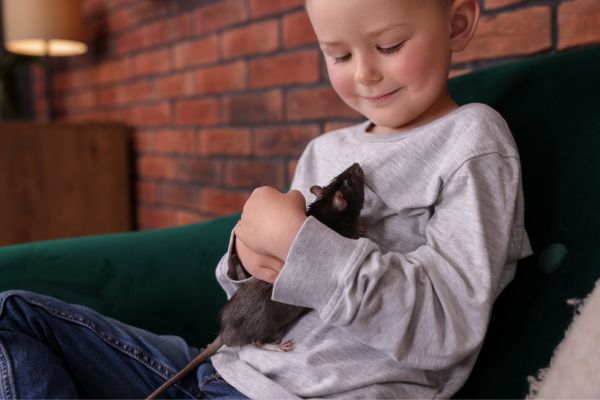
There’s a quiet moment that happens when you lock eyes with a rescue animal for the first time. It isn’t dramatic. No swelling music, no instant certainty. Just a look that carries a story you don’t fully know yet. For many people, that moment becomes the beginning of something life-altering. Understanding the reasons to adopt a rescue pet goes far beyond good intentions or sentimental ideas. It’s about connection, responsibility, and the unexpected ways animals change the rhythm of everyday life.
Adopting a rescue pet isn’t a trend or a statement. It’s a choice that reshapes both lives involved, often in ways that only make sense months or years later.
Giving an Animal a Second Chance at Stability
Most rescue pets didn’t start out unlucky. Life simply happened around them. Owners moved, financial situations changed, illness entered the picture, or neglect became routine. When you adopt a rescue pet, you’re not “saving” something broken. You’re offering stability to an animal that never truly had control over its circumstances.
This second chance matters more than people realize. Animals thrive on routine, safety, and predictability. A consistent home environment allows their personalities to surface slowly, sometimes shyly. A dog that once cowered may eventually sprawl across the couch. A reserved cat may become your shadow at night. These changes don’t happen overnight, but witnessing them feels quietly meaningful.
Experiencing a Deeper, Earned Bond
One of the most talked-about reasons to adopt a rescue pet is the depth of the bond that forms. While every pet relationship is unique, rescue animals often seem especially attuned to their humans. This isn’t magic or gratitude in a human sense. It’s trust, built carefully.
When an animal learns that food arrives on time, hands are gentle, and voices stay calm, something shifts. That trust feels earned rather than automatic. Many adopters describe a sense of partnership rather than ownership. It’s less about possession and more about mutual adjustment, learning each other’s habits, and settling into shared routines.
That kind of bond tends to last.
Discovering Personal Growth You Didn’t Expect
Rescue pets don’t just adapt to you. They challenge you. Patience grows when progress is slow. Empathy deepens when fear or anxiety surfaces unexpectedly. You become more observant, more attuned to nonverbal cues, more grounded in the present moment.
For some people, adopting a rescue pet marks a shift in how they relate to responsibility. You start thinking ahead. You plan walks, vet visits, quiet time. Over time, this rhythm becomes comforting rather than restrictive. It creates structure without feeling rigid, which is something many adults realize they were missing.
Reducing Overcrowding in Shelters and Rescues
Animal shelters operate under constant pressure. Space, funding, and staffing are always limited. Every adoption creates a ripple effect that opens room for another animal in need. While this fact often gets mentioned briefly, its impact is significant.
Choosing adoption over other routes directly supports a system designed to protect animals that would otherwise have nowhere to go. You’re not just changing one life. You’re contributing to a cycle that allows shelters to continue functioning at all. This reason to adopt a rescue pet may feel abstract at first, but it becomes tangible when you see how many animals are waiting quietly behind kennel doors.
Welcoming a Pet With a Known Personality
There’s an assumption that rescue pets are unpredictable. In reality, many come with a fairly clear sense of who they are. Shelter staff, foster families, and volunteers often know which animals prefer quiet homes, which are social butterflies, and which need time to warm up.
This insight can make adoption surprisingly practical. Instead of guessing how a pet might turn out, you often meet them as they already are. A dog’s energy level, a cat’s tolerance for handling, or a senior pet’s calm demeanor is usually evident. That honesty helps people make better, longer-lasting matches.
Finding Value Beyond Age or Appearance
Rescue pets come in all shapes, sizes, and ages. Puppies and kittens do appear, but so do adults and seniors with fully formed personalities. Older animals, in particular, offer a kind of companionship that feels understated but deeply steady.
They don’t require constant novelty. They appreciate comfort. Many adopters say senior pets bring a quiet presence that feels grounding after busy days. Choosing a pet based on connection rather than novelty shifts how people think about value. It becomes less about appearances and more about shared calm.
Supporting Ethical Treatment of Animals
One of the more complex reasons to adopt a rescue pet lies in ethics. Adoption reduces demand for systems that prioritize profit over welfare. While not every breeding operation is harmful, many are poorly regulated, leading to overbreeding and health issues.
Adoption redirects attention toward care, rehabilitation, and long-term responsibility. It reinforces the idea that animals aren’t commodities. They’re living beings shaped by environment, care, and chance. That perspective tends to stay with adopters long after the paperwork is signed.
Experiencing Joy in Small, Ordinary Moments
Rescue pets often bring a special appreciation for routine pleasures. A dog discovering a favorite walking route. A cat choosing a sunny window for the first time. These moments feel small, but they accumulate into something emotionally rich.
There’s joy in watching an animal relax into safety. In noticing the first time they sleep deeply. In realizing they’ve stopped flinching at sudden sounds. These aren’t dramatic milestones, but they carry weight. They remind you that progress doesn’t always announce itself loudly.
Teaching Compassion Through Daily Interaction
Living with a rescue pet naturally reinforces compassion. You become aware of how your mood affects theirs. You learn to slow down, to read subtle signals, to respond thoughtfully rather than react impulsively.
For families, this can be especially impactful. Children who grow up with rescue animals often develop a nuanced understanding of care and responsibility. They learn that love sometimes requires patience and that trust is something you build, not demand.
Embracing a Choice That Feels Meaningful
Among all the reasons to adopt a rescue pet, perhaps the most lasting is how the choice feels over time. Long after the excitement fades, there’s a quiet satisfaction in knowing you chose connection over convenience.
It’s not about perfection. There will be challenges, messes, vet bills, and moments of doubt. But woven through those realities is the steady presence of an animal who has found a place to belong. That sense of belonging goes both ways.
A Reflective Conclusion on Adoption
Adopting a rescue pet isn’t a heroic act, and it doesn’t need to be framed as one. It’s a human decision rooted in empathy, curiosity, and a willingness to share space with another living being. The reasons to adopt a rescue pet reveal themselves gradually, often in unremarkable moments that quietly matter.
Over time, the labels fade. “Rescue” stops being a category and becomes simply part of the story. What remains is companionship, routine, and a shared life shaped by mutual trust. And for many people, that turns out to be more than enough.